
A Step-by-Step Guide to Exporting PCB Waste from the Philippines


Understanding PCB Waste
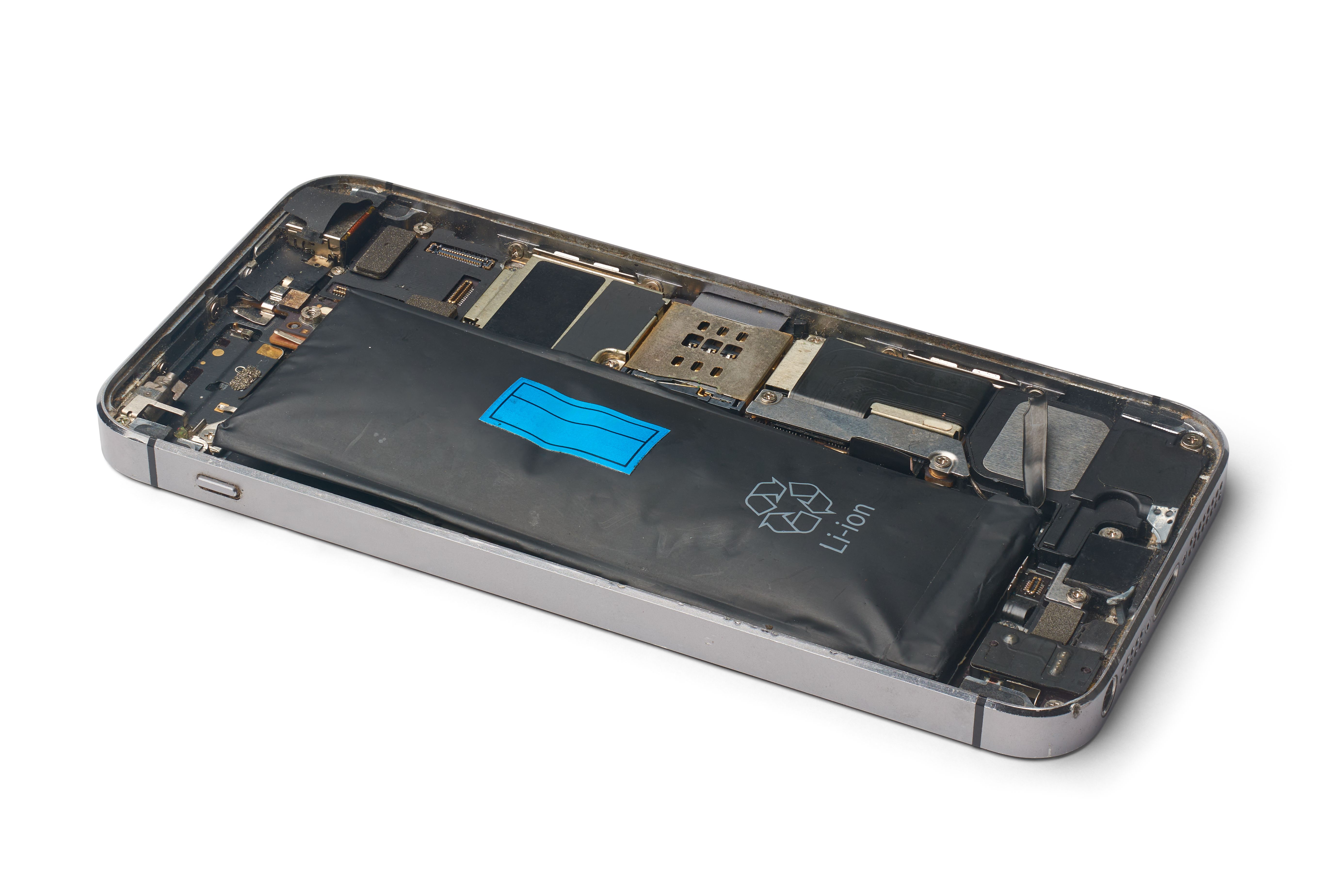
Printed Circuit Board (PCB) waste is a significant environmental concern due to its toxic components. The proper management and disposal of PCB waste are crucial for minimizing environmental impact. In the Philippines, exporting PCB waste requires careful adherence to regulations and procedures.
Regulatory Framework
The export of PCB waste is governed by several local and international regulations. The Philippines follows the guidelines of the Basel Convention, which regulates the transboundary movements of hazardous wastes. It is essential to be familiar with these regulations to ensure compliance.
Additionally, you must adhere to the local environmental laws set by the Department of Environment and Natural Resources (DENR). This includes securing the necessary permits and documentation before proceeding with any export activities.
Steps to Export PCB Waste
Step 1: Assessment and Classification
Before exporting PCB waste, conduct a thorough assessment to classify the waste according to its type and hazard level. This classification will determine the appropriate handling and disposal procedures.
Step 2: Obtain Necessary Permits
Contact the DENR to obtain the necessary permits for exporting PCB waste. This may include an Environmental Compliance Certificate (ECC) and other relevant documentation. Ensure all paperwork is complete and accurate to avoid delays.
Step 3: Partner with Licensed Exporters
Collaborate with an exporter licensed to handle and transport hazardous waste. These professionals have the expertise and equipment needed to ensure safe and compliant transportation.
Logistics and Shipping
Step 4: Prepare for Shipping
Ensure that the PCB waste is packaged securely following international standards. Proper labeling and documentation are crucial for customs clearance and compliance with international shipping regulations.
Step 5: Coordinate with Customs
Work closely with customs officials to facilitate smooth exportation. Provide all necessary documentation, including permits and shipping details, to avoid any legal complications.
Ensuring Compliance and Safety
Step 6: Monitor and Track Shipment
Once the shipment is underway, maintain regular communication with your logistics provider to track the progress. This helps ensure that the PCB waste reaches its destination safely and on time.

Step 7: Final Documentation
Upon successful exportation, complete any final documentation required by both Philippine and international authorities. This ensures that all legal and environmental obligations have been met.
By following these steps, you can effectively manage the export of PCB waste from the Philippines, contributing to a cleaner and safer environment.