Case Study: Successful Precious Metal Recovery from Waste in the Philippines


Introduction
The Philippines has made remarkable strides in sustainable practices, particularly in the area of precious metal recovery from waste. This innovative approach addresses both environmental concerns and economic opportunities, setting a benchmark for other countries to follow.
The Challenge of Waste Management
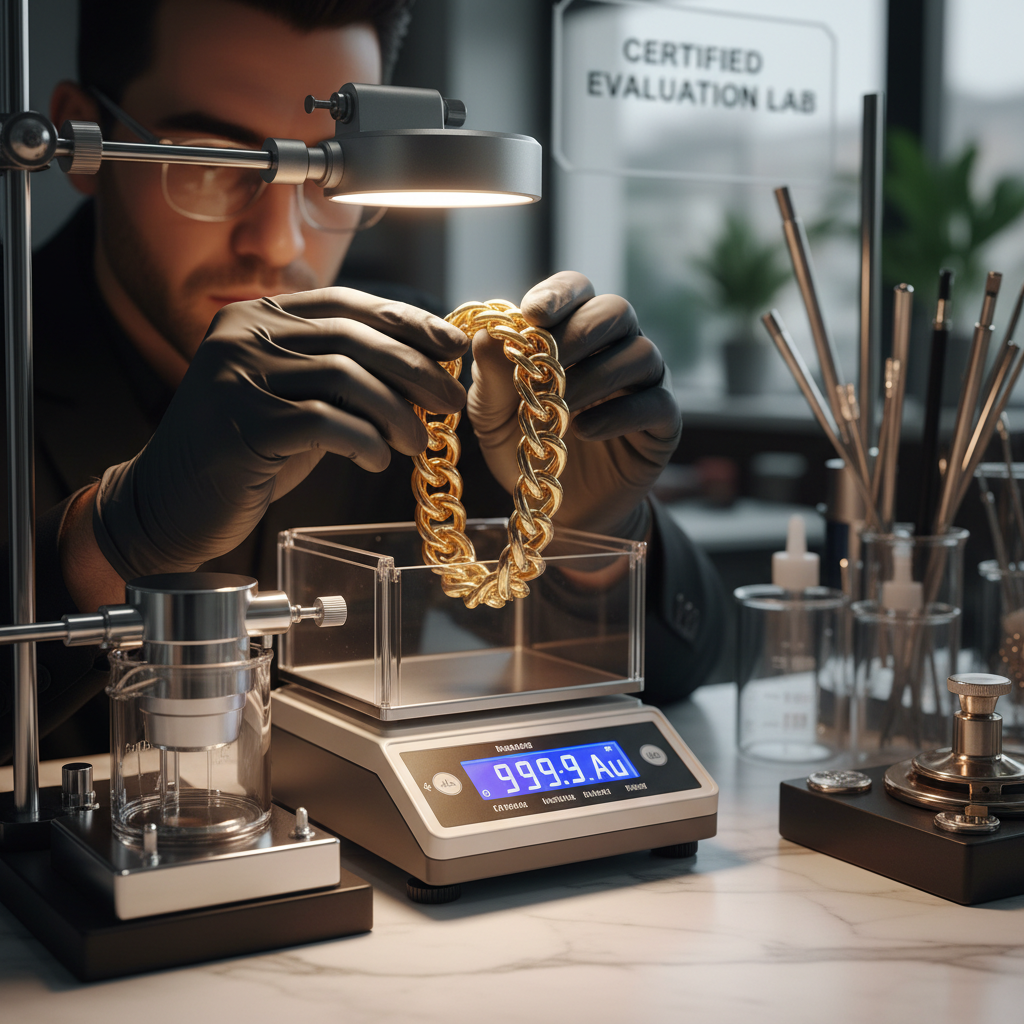
Waste management has been a persistent challenge in the Philippines, with landfills overflowing and causing significant environmental harm. Among the waste, electronic waste (e-waste) presents a unique opportunity due to its rich content of precious metals like gold, silver, and palladium.
Recovering these metals not only reduces the environmental impact but also taps into a lucrative market. However, the process is complex and requires advanced technology and expertise.
Innovative Solutions
To address these challenges, several companies have implemented cutting-edge techniques for metal extraction. These methods include hydrometallurgical and pyrometallurgical processes, which are both effective in extracting precious metals from e-waste.
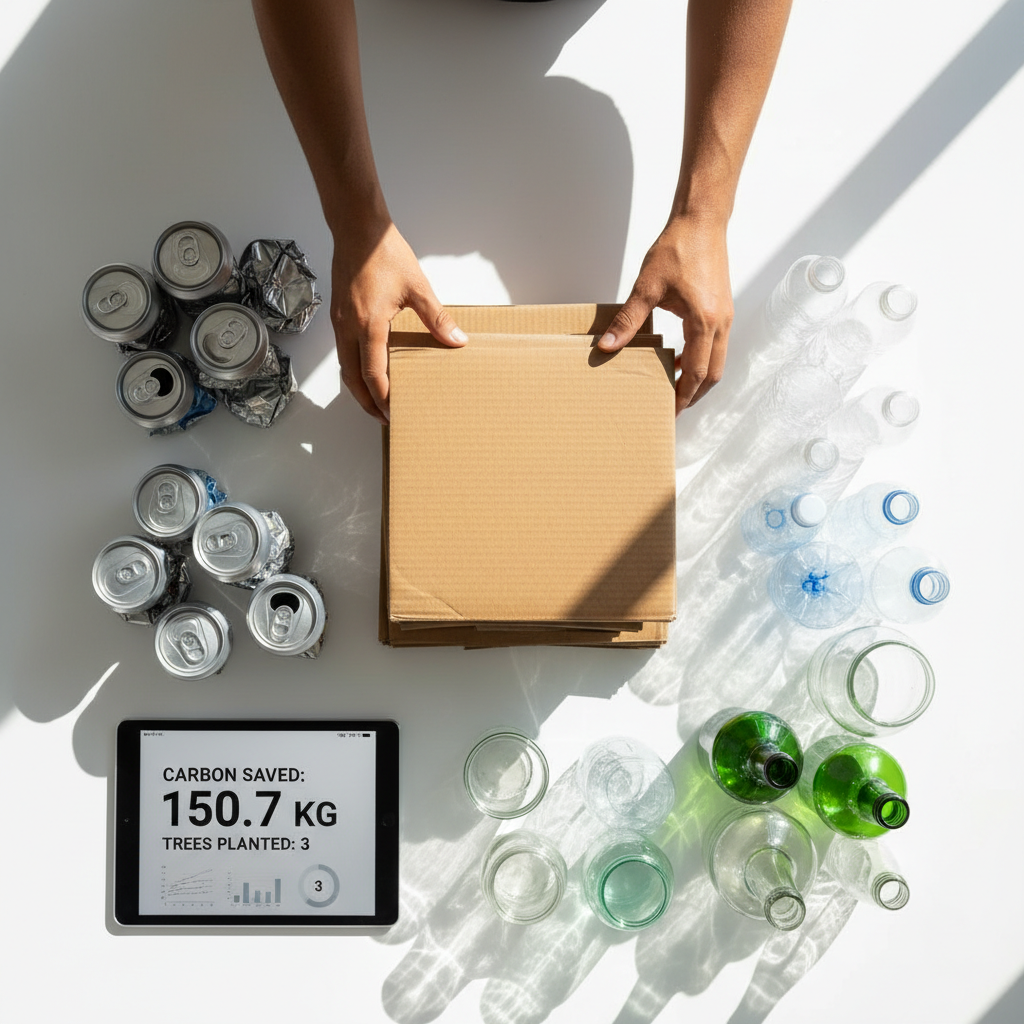
Collaborations between local businesses and international experts have led to the development of eco-friendly techniques that maximize recovery rates while minimizing harmful emissions.
Economic and Environmental Benefits
The successful recovery of precious metals from waste has resulted in significant economic benefits for the region. By tapping into the global market for recycled metals, local companies have generated substantial revenue.
Moreover, these initiatives have created new job opportunities, contributing to local economic growth. The environmental benefits are equally impressive, as these practices reduce landfill waste and prevent toxic substances from contaminating soil and water sources.
Community Involvement and Education
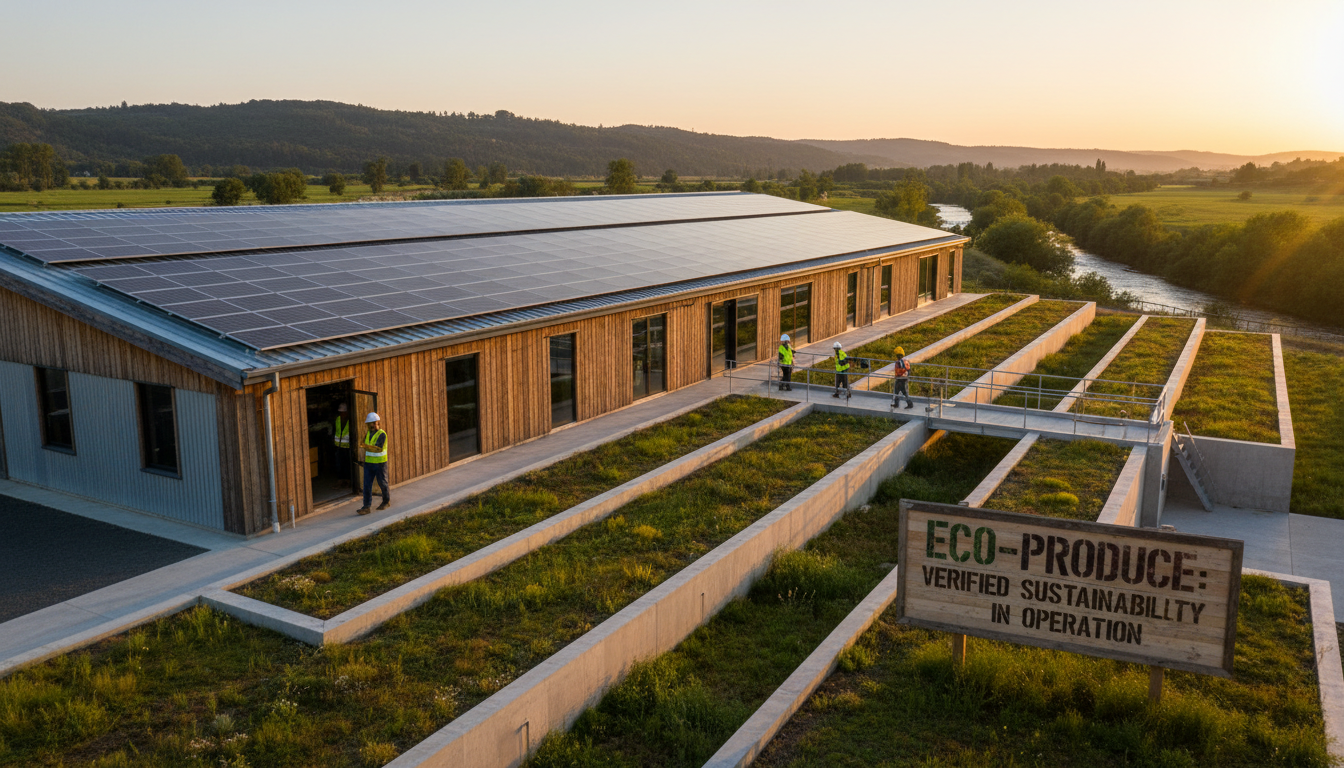
Community involvement has been a key factor in the success of precious metal recovery initiatives. Educational programs have been established to raise awareness about the importance of e-waste recycling.
Workshops and seminars have empowered individuals to participate actively, ensuring that the community understands the environmental and economic impact of their actions.
Future Prospects
The future of precious metal recovery in the Philippines looks promising. With continuous technological advancements and growing awareness, the country is well-positioned to become a leader in sustainable waste management.
Ongoing research and development efforts are focused on improving efficiency and discovering new methods to enhance metal recovery rates.
Conclusion
The Philippines' successful case study in precious metal recovery from waste serves as an inspiring example of how innovative solutions can address pressing environmental issues while fostering economic growth. This approach not only benefits the local community but also contributes to global sustainability efforts.