
Common Misconceptions About Solid and Hazardous Waste Disposal in the Philippines


Understanding Solid and Hazardous Waste
In the Philippines, managing solid and hazardous waste is a critical environmental issue. However, there are several misconceptions surrounding waste disposal that can hinder effective waste management practices. By addressing these misunderstandings, we can promote more sustainable and responsible disposal methods.
Misconception 1: All Waste is the Same
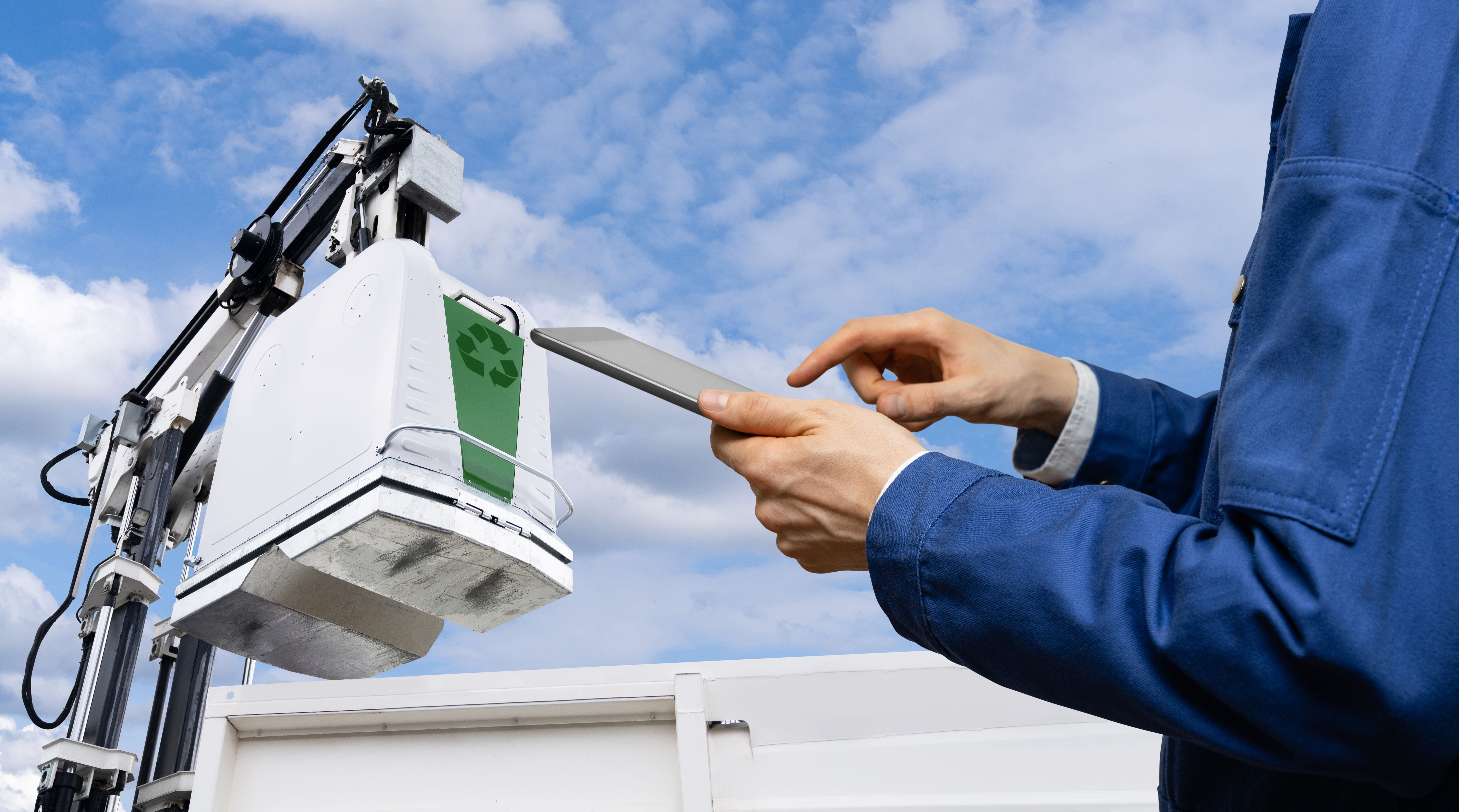
One of the most common misconceptions is that all waste is the same. In reality, waste is categorized into different types, with solid waste and hazardous waste being the most prevalent. Solid waste includes everyday items like packaging and food scraps, while hazardous waste contains substances that are dangerous to human health or the environment, such as chemicals and electronic waste.
Understanding these distinctions is crucial for proper waste management. Treating hazardous waste like regular trash can lead to significant environmental damage and health risks.
Misconception 2: Landfills Are Harmless
Many people believe that landfills are a harmless solution for waste disposal. However, landfills can pose significant environmental hazards if not managed properly. They can lead to soil and water contamination due to the leakage of hazardous substances. Moreover, they are a major source of methane, a potent greenhouse gas.
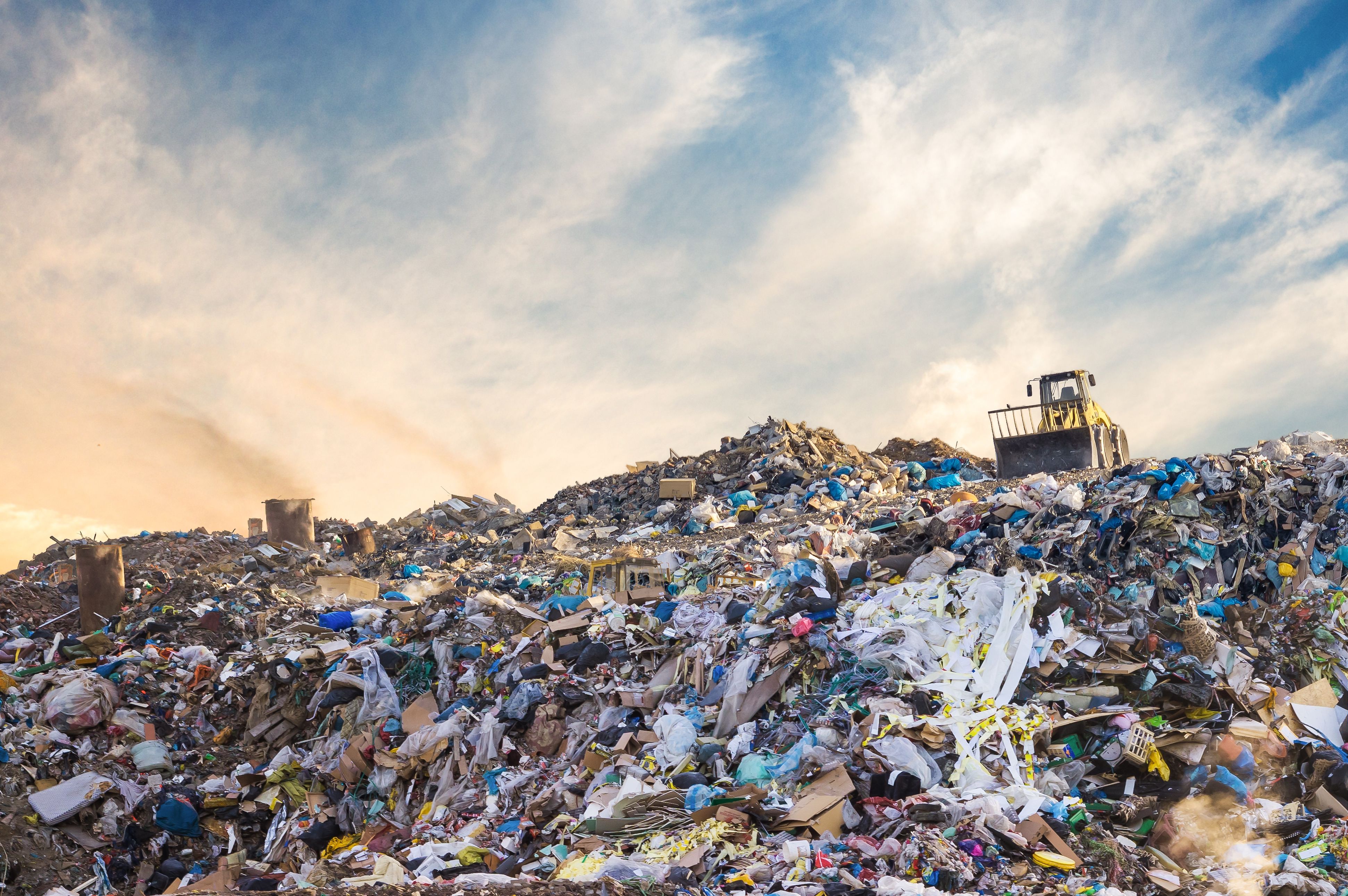
Modern waste management strategies focus on reducing landfill usage by promoting recycling, composting, and waste-to-energy technologies, which help minimize environmental impact.
Recycling and Composting: Not Just Optional
Another misconception is that recycling and composting are optional activities. In truth, they are essential components of effective waste management. Recycling helps conserve resources and reduce pollution, while composting transforms organic waste into valuable soil amendments.
Misconception 3: Waste Segregation is Unnecessary
Some people think that segregating waste is unnecessary. However, segregation is a critical step in improving waste management efficiency. By separating recyclables, compostables, and hazardous materials, we can ensure that each type of waste is handled appropriately and safely.
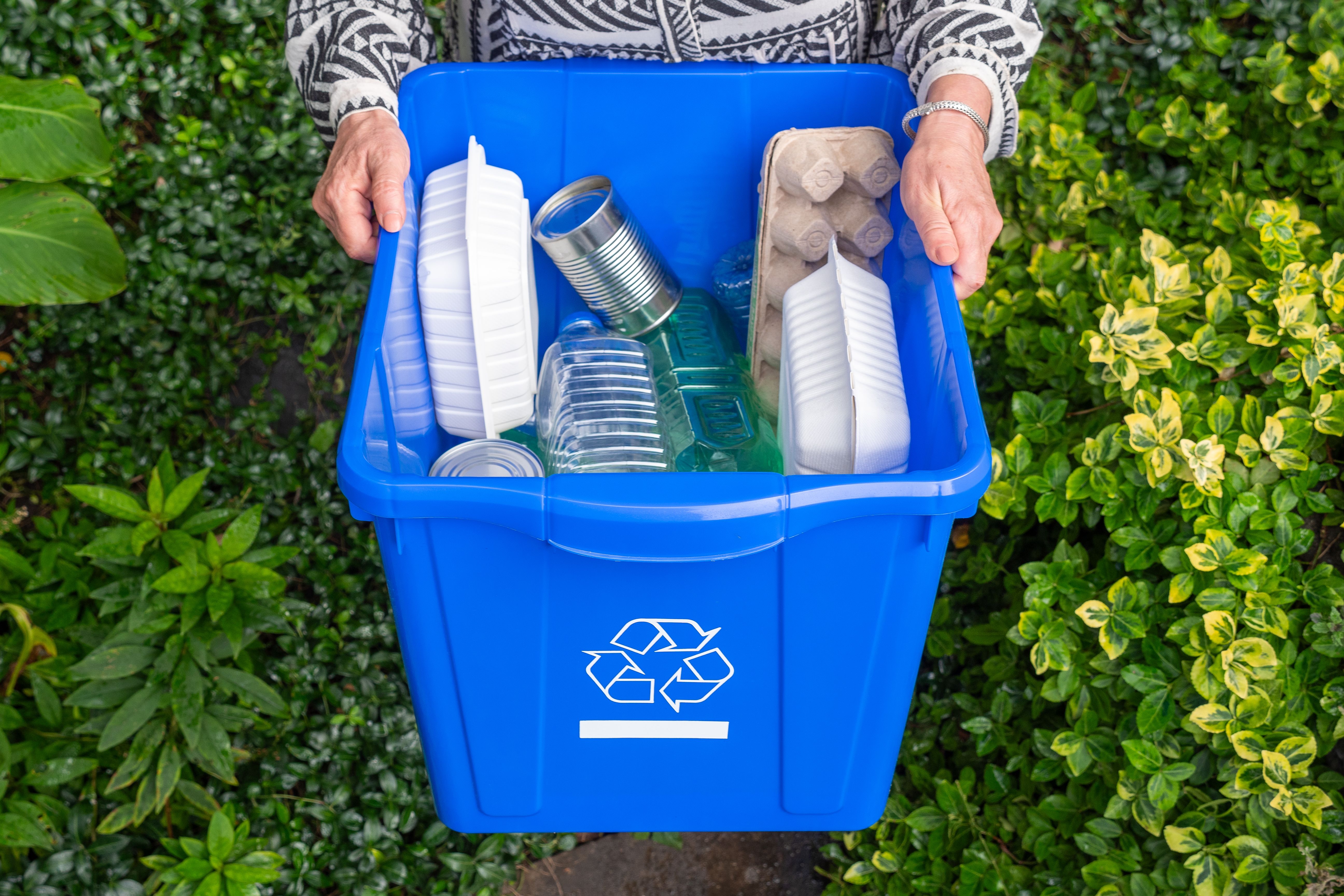
Proper segregation also helps facilitate recycling processes and reduces the risk of contamination in waste streams, making it easier to treat and recycle materials.
Misconception 4: Waste Management is Solely the Government's Responsibility
There is a common belief that waste management is solely the responsibility of the government. While government policies and infrastructure are vital, individual and community actions play a crucial role in effective waste management. Everyone can contribute by reducing waste, practicing proper disposal, and participating in community clean-up efforts.
By debunking these misconceptions and encouraging proactive participation, we can create a cleaner and healthier environment for future generations in the Philippines.