
Debunking Myths About Solid and Hazardous Waste Disposal


Understanding Solid and Hazardous Waste Disposal
Managing waste disposal is a critical issue that affects both the environment and public health. Unfortunately, numerous myths surround the topic, leading to confusion and misinformation. In this blog post, we aim to debunk some common myths about solid and hazardous waste disposal, providing you with accurate insights.
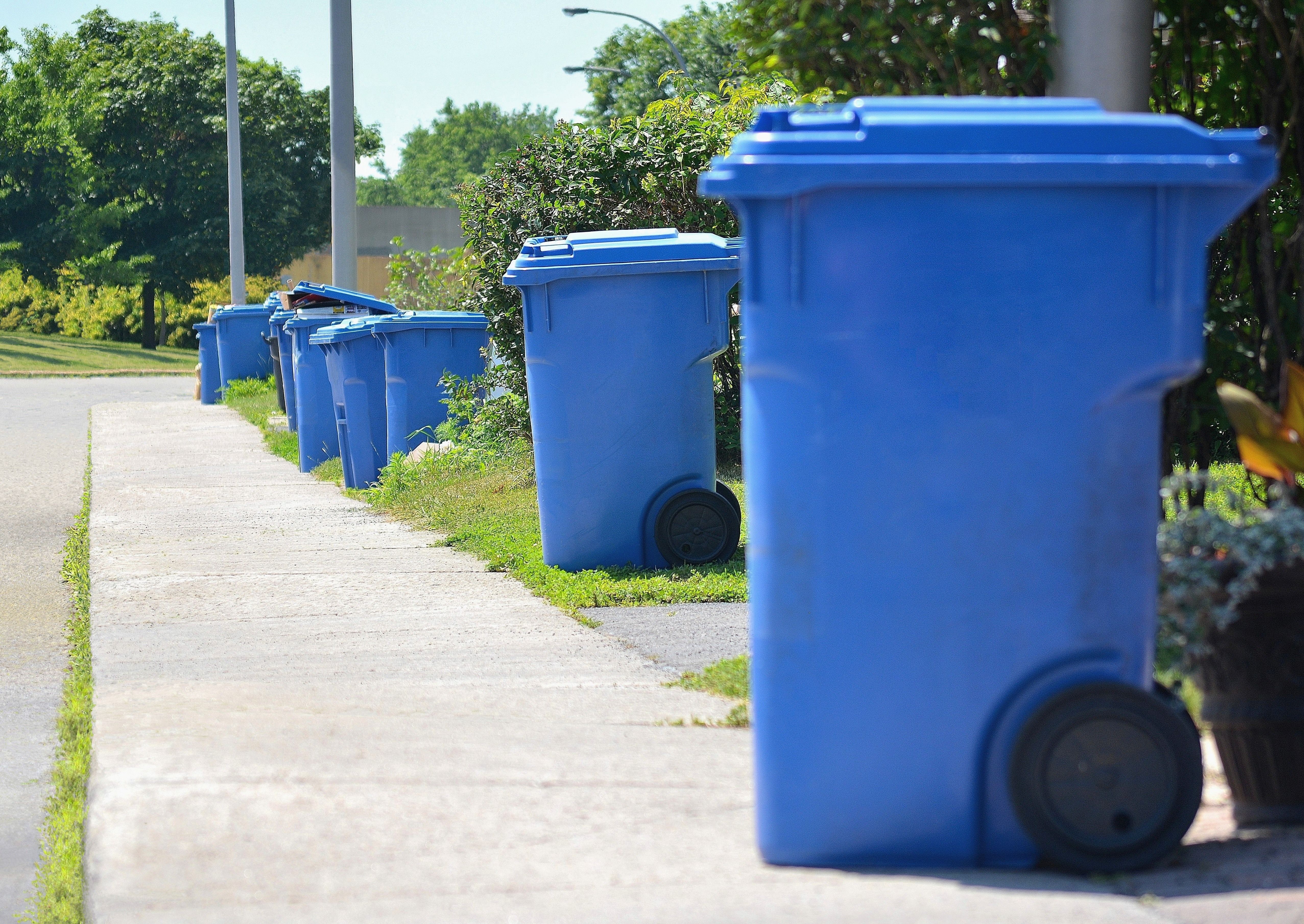
Myth 1: All Waste is Treated the Same
One prevalent myth is that all waste is managed in the same way. The truth is that solid waste and hazardous waste require very different handling processes. Solid waste typically includes everyday items like packaging, food scraps, and paper, which are often collected by municipal services and sent to landfills or recycling facilities. In contrast, hazardous waste includes materials like chemicals, batteries, and electronic waste, which need special treatment due to their potential risks to human health and the environment.
Myth 2: Recycling is a Waste of Time
Another common misconception is that recycling efforts do not make a significant impact. In reality, recycling plays a crucial role in waste management. By recycling, we can conserve natural resources, reduce pollution, and save energy. For instance, recycling aluminum saves up to 95% of the energy required to produce new aluminum from raw materials. Thus, recycling is far from a waste of time; it is a vital part of sustainable waste management.

The Reality of Hazardous Waste Disposal
Myth 3: Hazardous Waste Can Be Disposed of Like Regular Trash
Many people mistakenly believe that hazardous waste can be discarded with everyday trash. This is dangerous and illegal in most places. Hazardous waste requires specialized disposal methods to prevent harmful substances from leaching into the environment. Facilities equipped to handle hazardous waste ensure that it is treated, stored, and disposed of safely, minimizing potential risks.
- Proper labeling and storage
- Transportation by licensed carriers
- Safe treatment and disposal methods
Myth 4: Landfills Are the Only Option for Waste Disposal
While landfills are a common method for solid waste disposal, they are not the only option available. Advanced waste management strategies include recycling, composting, and waste-to-energy processes. Composting can transform organic waste into valuable soil amendments, while waste-to-energy facilities convert waste materials into electricity or heat. These alternatives help reduce the burden on landfills and enhance environmental sustainability.

Promoting Awareness and Action
Addressing these myths is crucial for improving waste management practices globally. By understanding the differences between solid and hazardous waste disposal and recognizing the importance of recycling and other alternatives to landfills, individuals and communities can make more informed decisions. Educating ourselves and others about these issues is the first step toward a cleaner, more sustainable future.
Ultimately, effective waste management is a shared responsibility. Governments, industries, and individuals must work together to implement solutions that protect both the environment and public health. By debunking myths and embracing facts, we can all contribute to a healthier planet.