
Exploring Waste Exporting and PCB Disposal in Asia: Key Considerations


Understanding Waste Exporting in Asia
Asia has become a focal point in the global waste export industry. Rapid industrialization and urbanization have led to a surge in waste generation, making waste management a critical issue. Many countries in Asia import waste from Western nations, which often leads to environmental and health challenges. Recognizing the importance of sustainable practices is essential for tackling these issues effectively.

One of the main reasons for importing waste in Asia is economic. Processing waste can be cheaper than producing raw materials from scratch. However, this often comes at a cost to the environment and public health. It's crucial to balance economic benefits with environmental responsibilities.
Challenges in Waste Management
Despite the economic advantages, waste importing poses significant challenges. Many Asian countries lack the infrastructure to manage and process large volumes of waste safely. This can lead to illegal dumping and pollution, impacting local communities and ecosystems.
Additionally, the lack of stringent regulations in some regions allows for the import of hazardous waste, exacerbating the problem. Strengthening regulatory frameworks and enhancing waste processing infrastructure are vital steps toward sustainable waste management.

The Role of PCB Disposal
Polychlorinated biphenyls (PCBs) are a group of man-made chemicals that pose severe environmental and health risks. They are often found in electrical equipment and can be extremely difficult to dispose of safely. In Asia, PCB disposal is a growing concern due to inadequate facilities and regulatory oversight.
Safe PCB disposal requires specialized facilities and processes to prevent contamination. Many Asian countries are working to improve their capabilities in this area, but progress can be slow due to financial and logistical constraints.
Strategies for Improvement
Addressing PCB disposal challenges requires a multifaceted approach. Governments can play a critical role by investing in technology and infrastructure to handle hazardous waste safely. International cooperation and knowledge sharing can also facilitate more effective PCB management strategies.
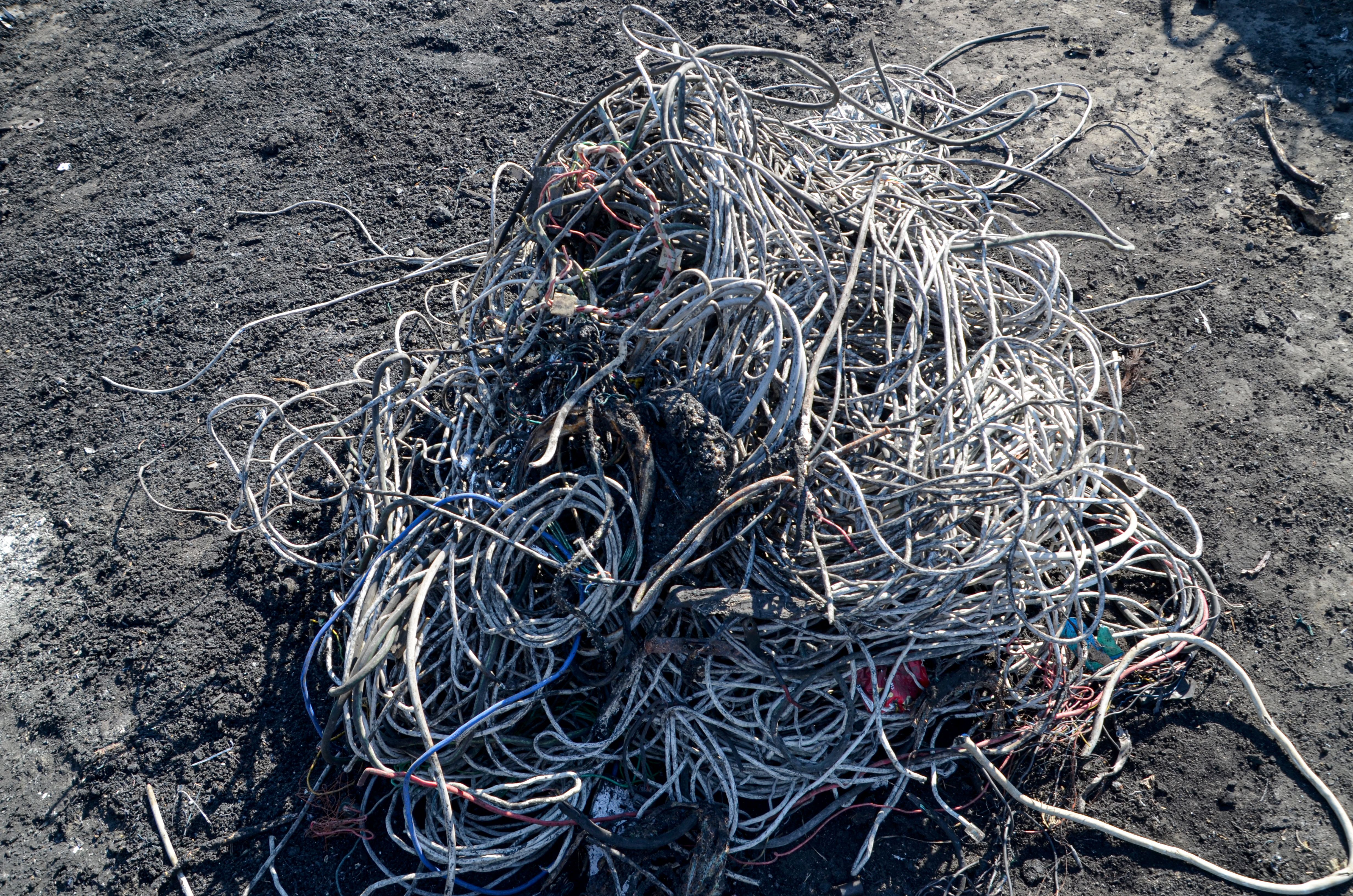
Furthermore, public awareness and education on the dangers of PCBs are crucial. By understanding the risks, communities can advocate for better practices and hold industries accountable for their waste disposal methods.
Conclusion
Exploring waste exporting and PCB disposal in Asia reveals a complex landscape that demands urgent attention. Balancing economic interests with environmental sustainability is key to addressing these challenges. Through improved regulations, infrastructure, and international collaboration, Asian countries can work towards a cleaner and safer future.
As the global community continues to grapple with waste management issues, Asia's role is pivotal. By adopting sustainable practices and investing in innovative solutions, the region can set an example for the rest of the world in managing waste effectively.