
Maximizing Value: Precious Metal Recovery from Industrial Waste


Understanding Precious Metal Recovery
In today's rapidly advancing industrial landscape, efficient resource management is crucial. One area of growing importance is the recovery of precious metals from industrial waste. This process not only reduces environmental impact but also maximizes economic value for businesses.
Precious metals such as gold, silver, platinum, and palladium are often used in manufacturing due to their excellent conductive properties. However, significant amounts can end up as waste. Recovering these metals is a sustainable practice that benefits both the environment and the bottom line.

Technological Advances in Recovery Processes
Recent advancements in technology have made metal recovery more efficient and cost-effective. Techniques such as hydrometallurgy and bioleaching are gaining traction. These methods enable the extraction of metals using less harmful chemicals and energy, minimizing the ecological footprint.
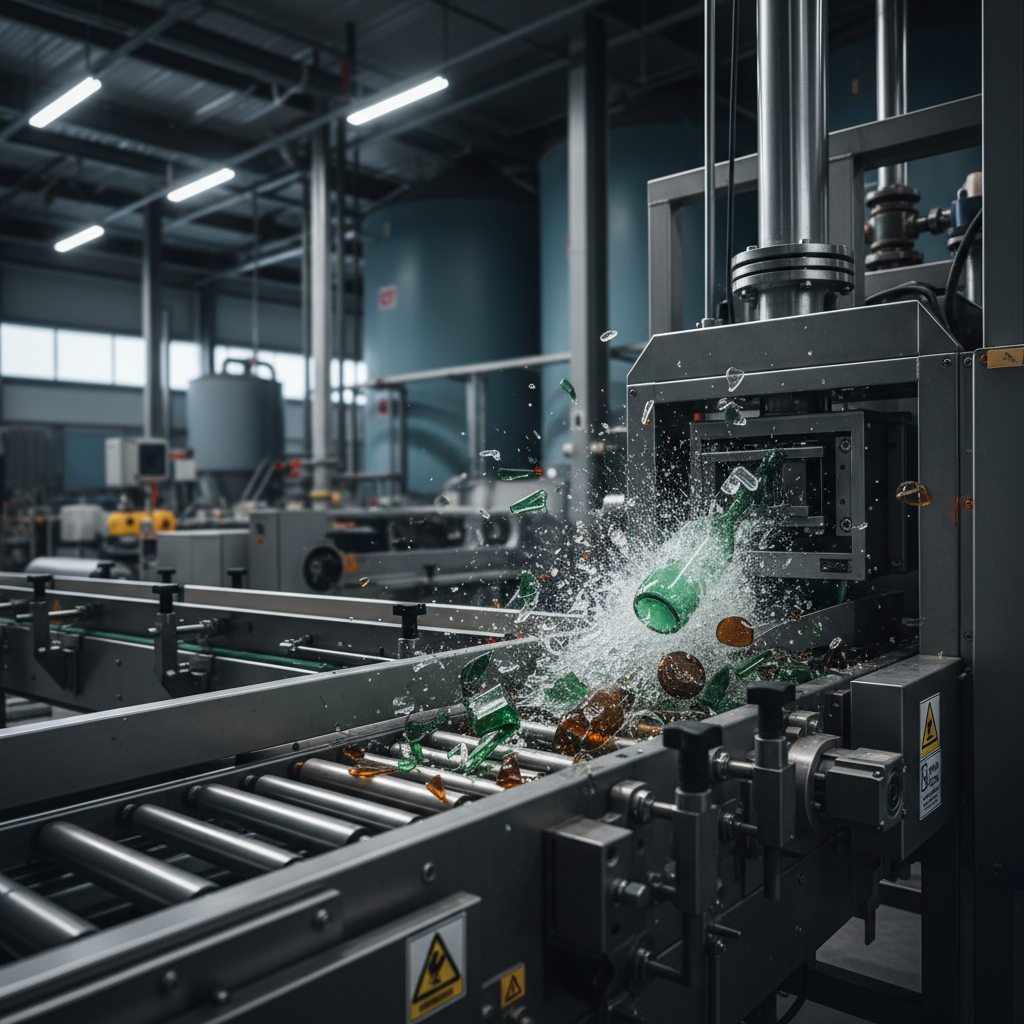
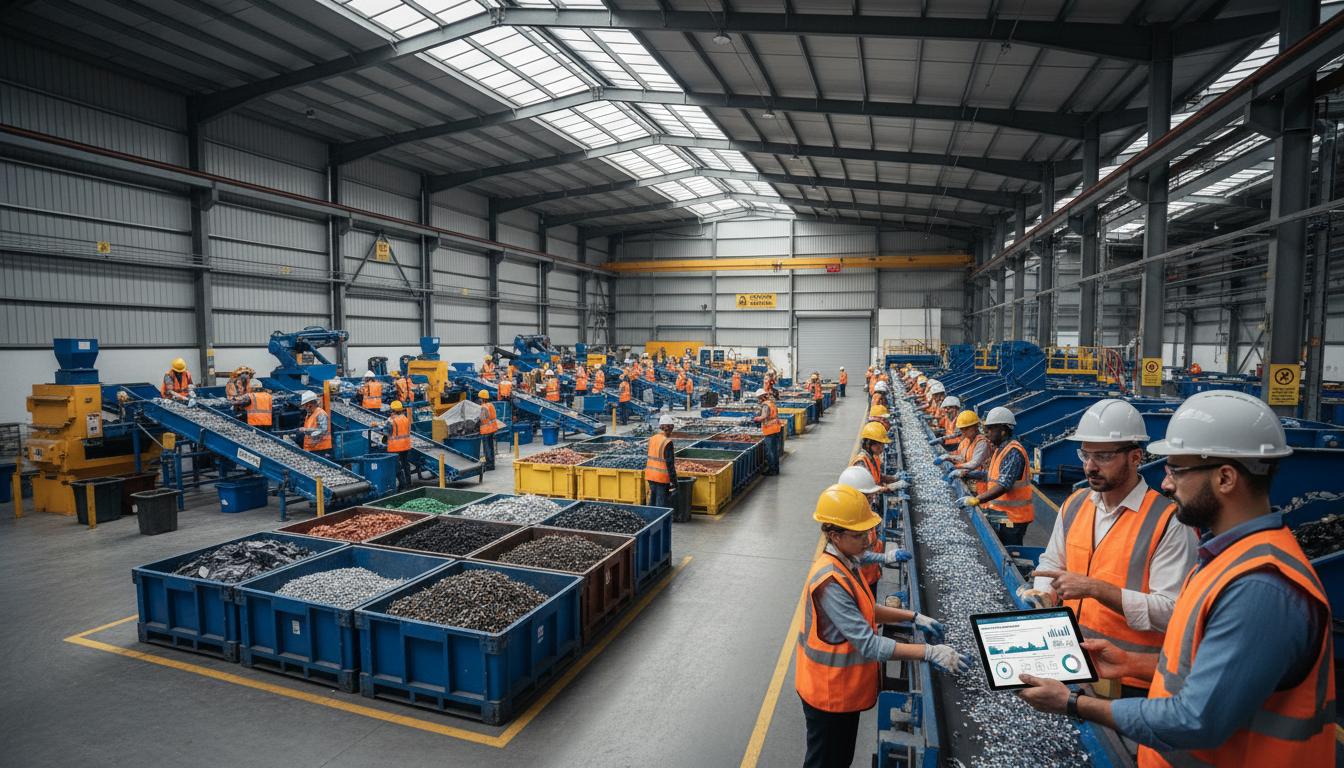
Another promising development is the use of automated sorting systems. These systems leverage artificial intelligence to accurately identify and sort valuable materials from waste streams, enhancing the precision and speed of recovery operations.
Economic Benefits of Metal Recovery
The economic incentives for recovering precious metals are significant. By reclaiming these materials, companies can reduce their reliance on raw material imports, leading to substantial cost savings. Furthermore, selling recovered metals can create an additional revenue stream.
Industries such as electronics, automotive, and aerospace, which use large quantities of precious metals, stand to gain the most. By investing in recovery processes, these industries can improve profitability and sustainability simultaneously.

Environmental Advantages
Precious metal recovery also offers numerous environmental benefits. By reducing the need for mining, it helps conserve natural resources and decrease greenhouse gas emissions. Additionally, it prevents the accumulation of hazardous materials in landfills, protecting ecosystems from contamination.
Implementing recovery processes can also enhance a company's brand image, showcasing a commitment to sustainability and responsible resource management. This positive perception can lead to stronger customer loyalty and increased market competitiveness.
Challenges and Considerations
Despite its benefits, precious metal recovery does present some challenges. Initial setup costs for recovery facilities can be high, and the complexity of the processes requires skilled personnel. Companies must carefully consider these factors when planning their recovery strategies.
Another consideration is the regulatory landscape. Compliance with environmental regulations is essential, and businesses must stay informed about any changes that could affect recovery operations. Partnering with experienced recovery service providers can help navigate these challenges effectively.
The Future of Precious Metal Recovery
The future of precious metal recovery looks promising as technology continues to evolve. Emerging innovations such as blockchain for traceability and more efficient recycling technologies are set to transform the industry. These advancements will further enhance the profitability and sustainability of recovery processes.
Companies that embrace these innovations early will be well-positioned to lead in an increasingly competitive market. By investing in cutting-edge recovery methods, businesses can secure a sustainable and profitable future.