
Myths and Facts About Solid and Hazardous Waste Handling


Understanding Solid and Hazardous Waste
Proper waste management is crucial for maintaining environmental health and safety. However, there are many myths surrounding the handling of solid and hazardous waste. Understanding the facts is essential for effective waste management practices.
Solid waste refers to any garbage or refuse, while hazardous waste is waste with properties that make it potentially dangerous to human health or the environment. Knowing how to handle both types appropriately can prevent environmental contamination and promote sustainability.
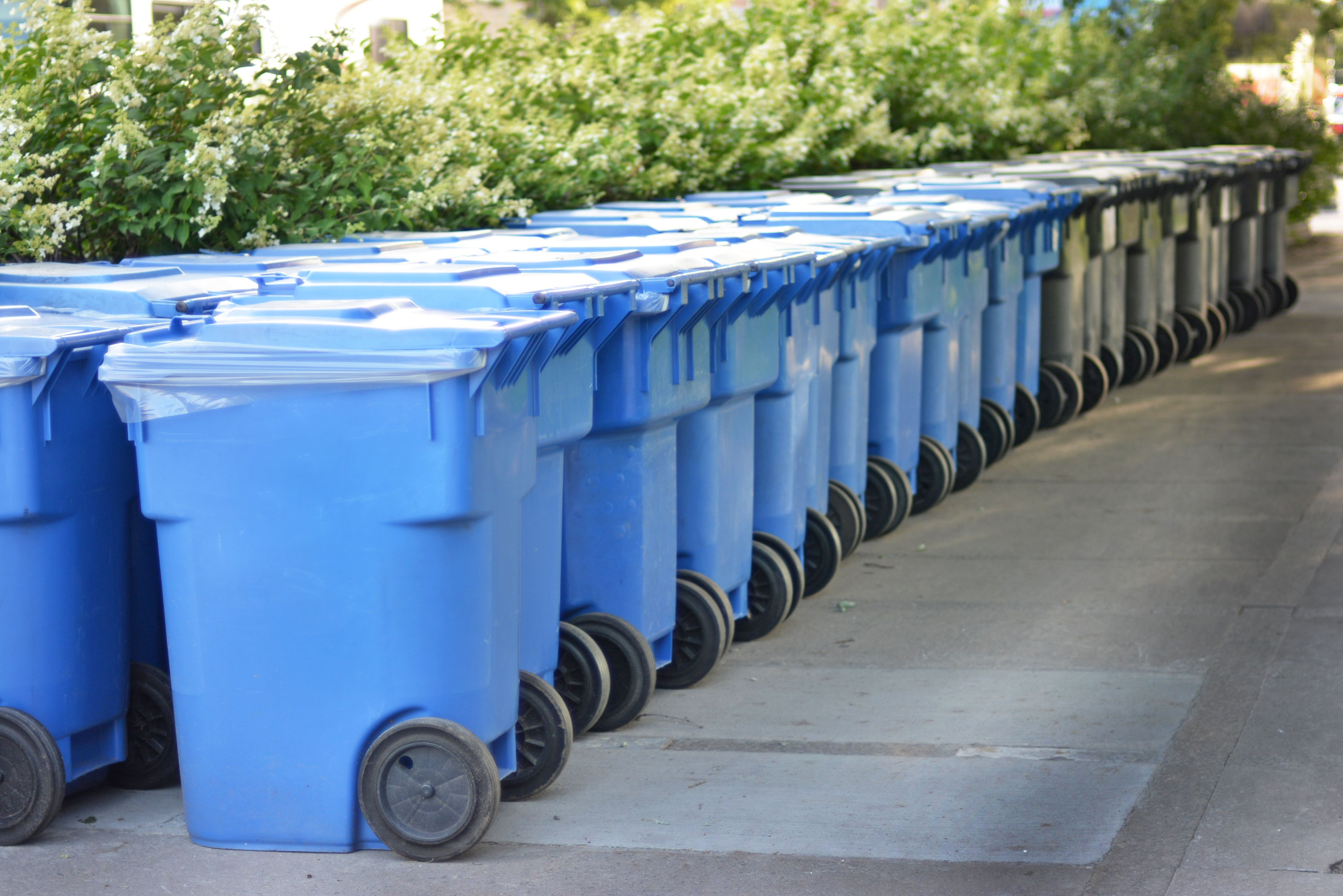
Myth 1: All Waste Is the Same
A common misconception is that all types of waste can be disposed of in the same manner. In reality, waste is categorized into various types, including municipal solid waste, industrial waste, and hazardous waste, each requiring specific handling and disposal methods.
For instance, hazardous waste must be treated and disposed of following stringent regulations to prevent contamination. In contrast, municipal solid waste typically goes to landfills or recycling facilities.
Myth 2: Hazardous Waste Isn’t Common
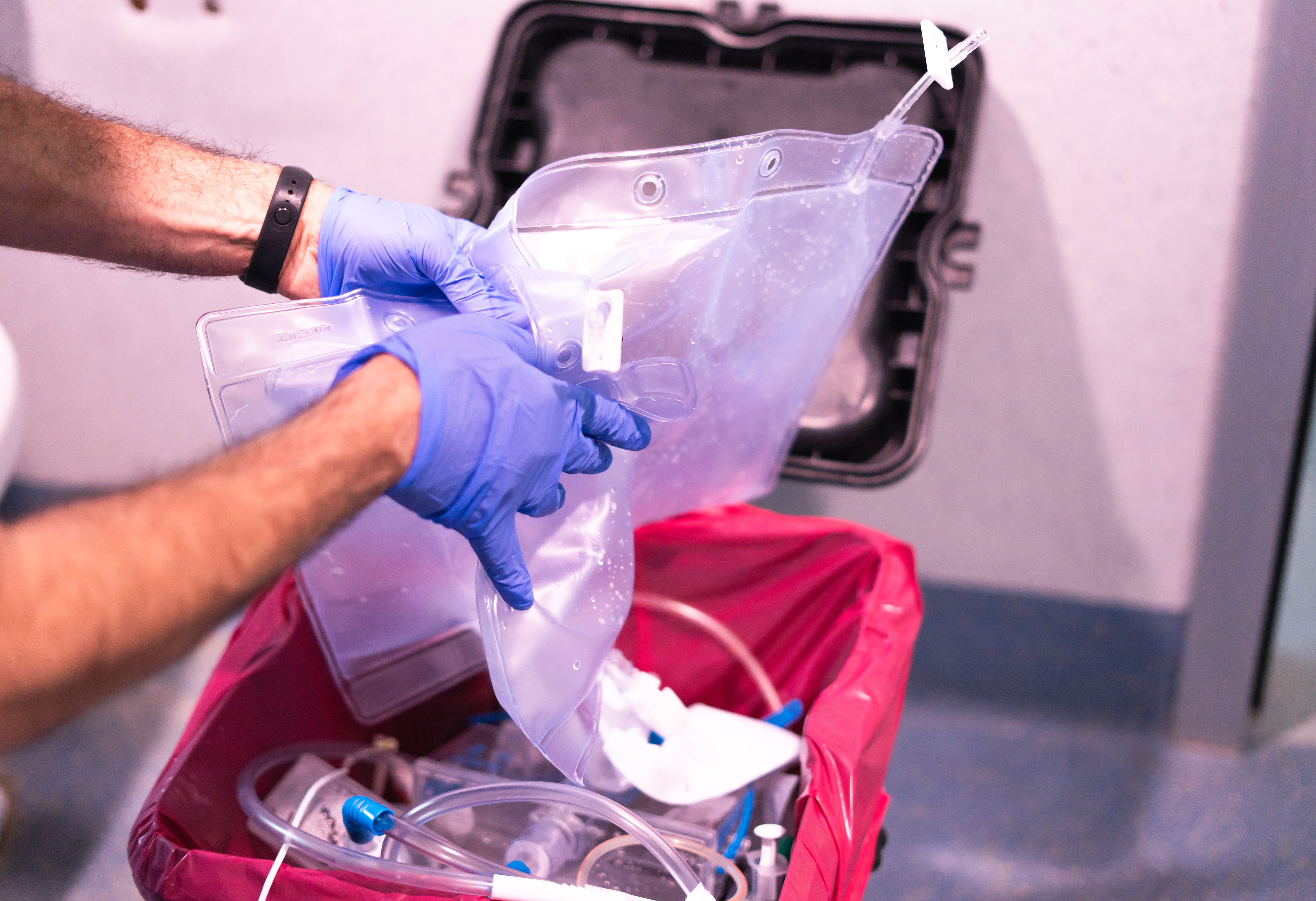
Some believe that hazardous waste is rare and only produced by large industrial operations. However, hazardous waste is more common than many think and can be generated by households, small businesses, and healthcare facilities.
Products such as batteries, paints, and certain cleaning agents can be classified as hazardous waste. Proper disposal and awareness are crucial to prevent environmental harm.
Fact: Recycling Reduces Waste
Recycling is an effective way to reduce the amount of waste sent to landfills. By converting waste materials into new products, recycling conserves natural resources and reduces pollution. Items like paper, glass, and certain plastics can be recycled, helping to minimize solid waste.
Implementing robust recycling programs in communities and businesses can significantly impact waste reduction efforts, promoting a cleaner environment.
Myth 3: Incineration Is Always Bad
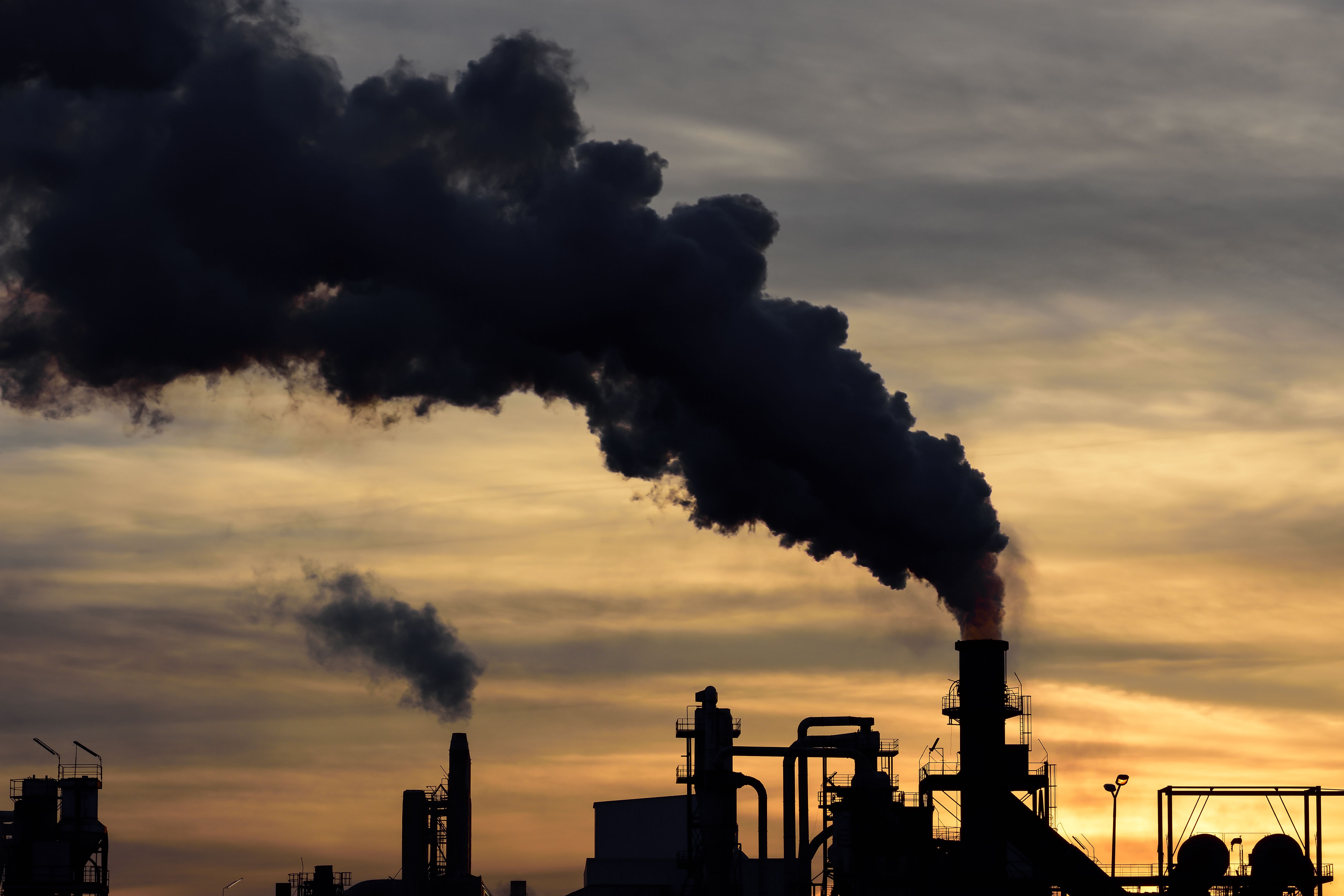
Incineration often gets a bad rap as harmful to the environment. However, when done correctly, it can be an efficient way to reduce waste volume and generate energy. Modern incineration facilities use advanced technology to minimize emissions and capture energy from waste materials.
Fact: Regulations Are Essential
Proper waste management is governed by various regulations designed to protect human health and the environment. Compliance with these regulations is essential for any entity that generates or handles waste.
Understanding and following these laws ensures that waste is managed safely and responsibly, mitigating risks associated with improper disposal.
Conclusion
Dispelling myths and understanding the facts about solid and hazardous waste handling is vital for environmental sustainability. By recognizing the differences between waste types and adhering to proper management practices, we can contribute to a healthier planet.
Educating communities and businesses about waste management can lead to more informed decisions, ultimately reducing the environmental impact of waste.