
Navigating Hazardous Waste Permits in the Philippines: A Comprehensive Guide


Managing hazardous waste in the Philippines is a crucial responsibility for businesses involved in industries like manufacturing, healthcare, and construction. Navigating the regulatory landscape can be challenging, but understanding the process for obtaining necessary permits is essential for compliance and environmental protection.
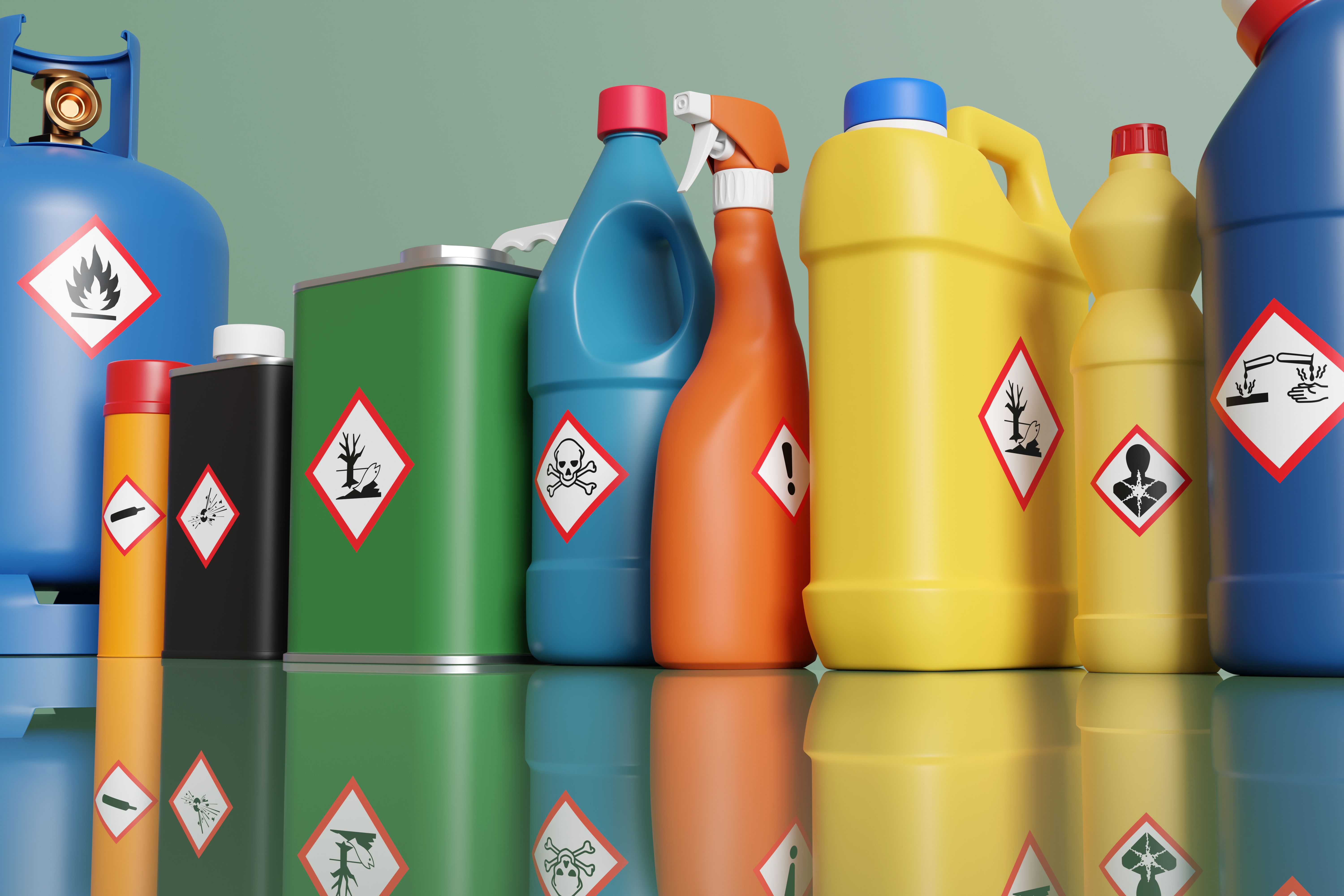
Understanding the Regulatory Framework
The management of hazardous waste in the Philippines is primarily governed by the Department of Environment and Natural Resources (DENR) through the Environmental Management Bureau (EMB). The main regulation is the Republic Act No. 6969, also known as the "Toxic Substances and Hazardous and Nuclear Wastes Control Act of 1990." This act outlines the responsibilities for proper waste management and the requirement for obtaining permits.
Key Permits Required
Businesses dealing with hazardous waste must secure several permits to operate legally. The primary permits include:
- Hazardous Waste Generator Registration: Required for all entities generating hazardous waste.
- TSD Facility Permit: Necessary for Treatment, Storage, and Disposal facilities.
- Transport Permit: For companies involved in the transportation of hazardous waste.

Steps to Obtain a Hazardous Waste Permit
The process of obtaining a hazardous waste permit involves multiple steps. Here’s a simplified guide:
- Application Submission: Submit the completed application form and required documents to the EMB.
- Site Inspection: An EMB officer may conduct a site inspection to verify compliance with regulations.
- Review and Approval: The EMB reviews the application and may request additional information before granting approval.
It’s important to ensure that all information provided is accurate and complete to avoid delays in the approval process.

Compliance and Monitoring
Once a permit is obtained, ongoing compliance is crucial. Businesses must adhere to all conditions specified in the permit and maintain records of waste generation, transportation, and disposal. Regular reporting to the EMB may be required to demonstrate continued compliance.
Penalties for Non-Compliance
Failure to comply with hazardous waste regulations can result in severe penalties, including fines, suspension of operations, and legal action. Businesses should prioritize compliance to avoid these consequences and contribute to environmental sustainability.
By understanding the permit process and maintaining diligent compliance, businesses can effectively manage hazardous waste and uphold their environmental responsibilities.