
Navigating Waste Trading Regulations in Tarlac: A Local's Guide


Understanding Waste Trading Regulations in Tarlac
Tarlac, a province in the Philippines, has been making strides in environmental management, particularly in waste trading. However, understanding the local regulations can be challenging for residents and businesses alike. Waste trading involves the buying and selling of recyclable materials, and navigating these regulations is crucial for compliance and sustainability.

The Importance of Compliance
Compliance with waste trading regulations in Tarlac is essential to ensure that all parties involved operate within the legal framework. Non-compliance can lead to penalties and environmental harm. Therefore, both businesses and individuals must be aware of the regulations governing waste trading.
The local government has implemented specific rules to manage waste trading efficiently. These regulations are designed to protect the environment and promote recycling, thereby reducing landfill waste. Understanding these rules helps in promoting sustainable practices.
Licensing and Permits
One of the primary requirements for engaging in waste trading in Tarlac is obtaining the necessary licenses and permits. The local government mandates that all waste traders must be registered and authorized to operate. This ensures that only qualified individuals and businesses participate in the waste trading industry.

To apply for a license, traders must submit an application to the local environmental office, providing details about their operations. It is crucial to keep these licenses up to date to avoid any legal issues that may arise from expired permits.
Accepted Materials for Trade
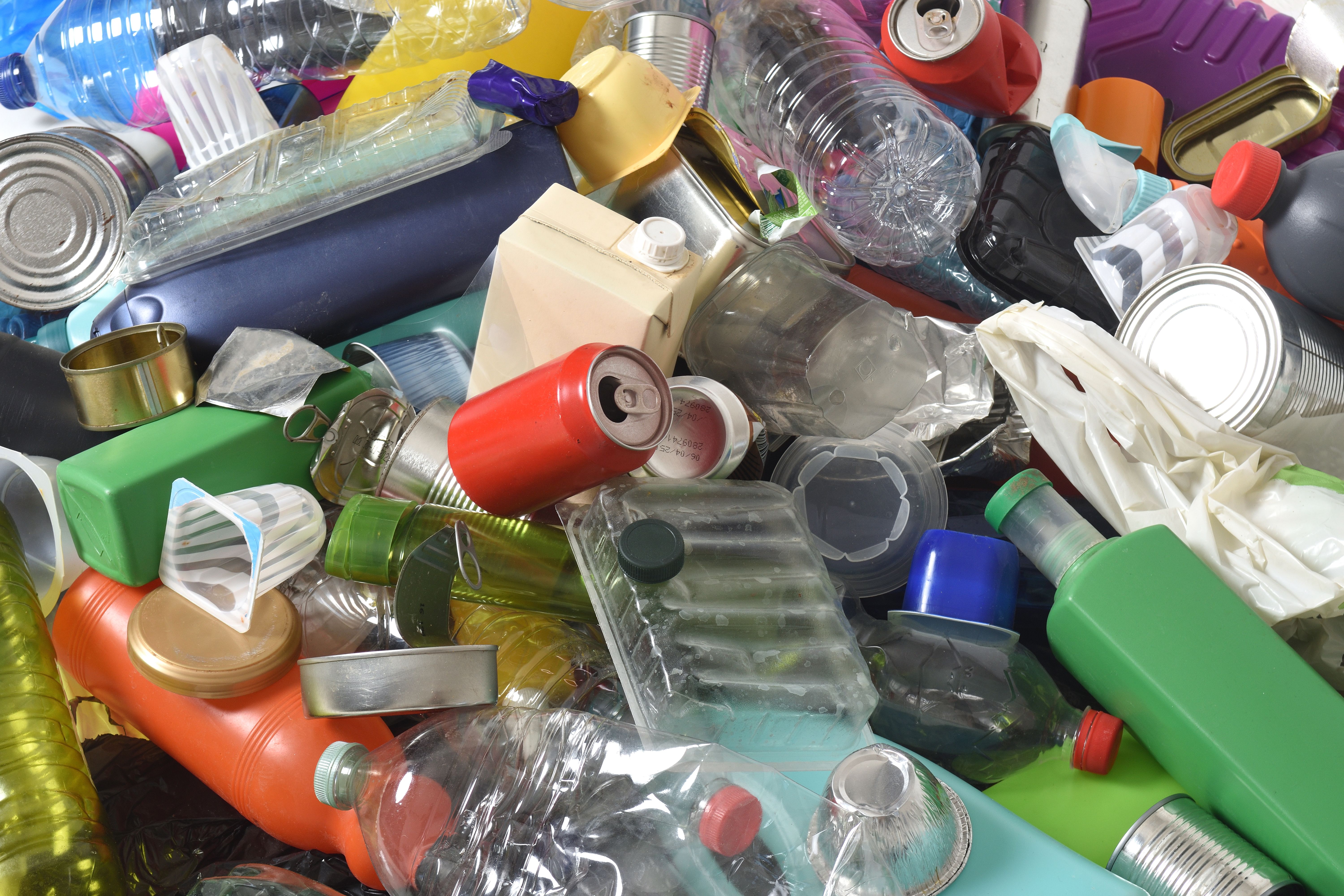
Not all waste materials are eligible for trade in Tarlac. The local government has specific guidelines on which materials can be traded. Commonly accepted materials include paper, plastics, metals, and certain types of glass. Understanding these categories helps traders focus on the materials that are in demand and legally tradeable.
It is also important to stay informed about any changes in the list of accepted materials, as these can change based on new environmental policies or market demands.
Environmental Impact and Community Involvement
The waste trading industry in Tarlac significantly contributes to environmental conservation efforts. By recycling and repurposing materials, the community can reduce its carbon footprint and promote sustainability. Engaging with local environmental groups can provide additional insights and support for those participating in waste trading.
Community involvement is encouraged, as it helps spread awareness and educates more people about the benefits and responsibilities of waste trading. Workshops and seminars are often organized to help individuals understand how they can contribute to this important cause.
Challenges and Opportunities
Despite the benefits, there are challenges in navigating waste trading regulations in Tarlac. These include keeping up with regulatory changes and ensuring compliance. However, these challenges also present opportunities for innovation and improvement in waste management practices.
Businesses that adapt to these regulations and proactively seek sustainable solutions can gain a competitive edge. By staying informed and engaged, traders can turn potential obstacles into growth opportunities.

Overall, understanding and navigating the waste trading regulations in Tarlac is vital for both environmental and economic reasons. By ensuring compliance and promoting sustainable practices, the community can work together towards a greener future.