
Precious Metal Recovery from Wastes: An Innovative Approach in the Philippines


In recent years, the Philippines has emerged as a leader in the field of precious metal recovery from wastes. This innovative approach not only addresses environmental concerns but also taps into a lucrative market. By leveraging advanced technologies, the country is transforming waste materials into valuable resources, thereby promoting sustainability and economic growth.
The Importance of Precious Metal Recovery
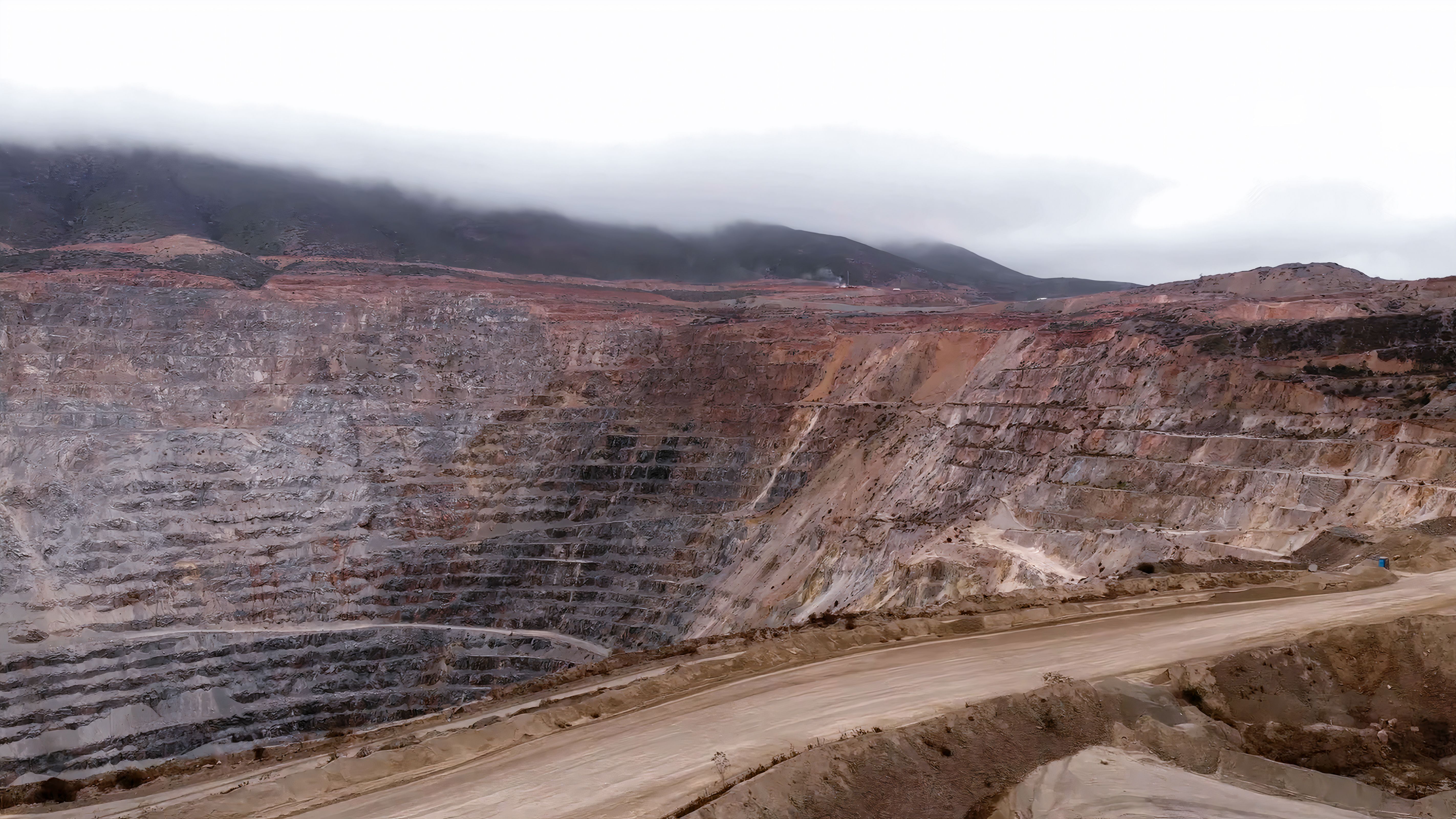
The recovery of precious metals from waste is crucial for several reasons. First, it reduces the environmental impact of mining activities. Traditional mining is resource-intensive and often leads to significant ecological damage. By recovering metals from waste, the need for new mining operations is minimized.
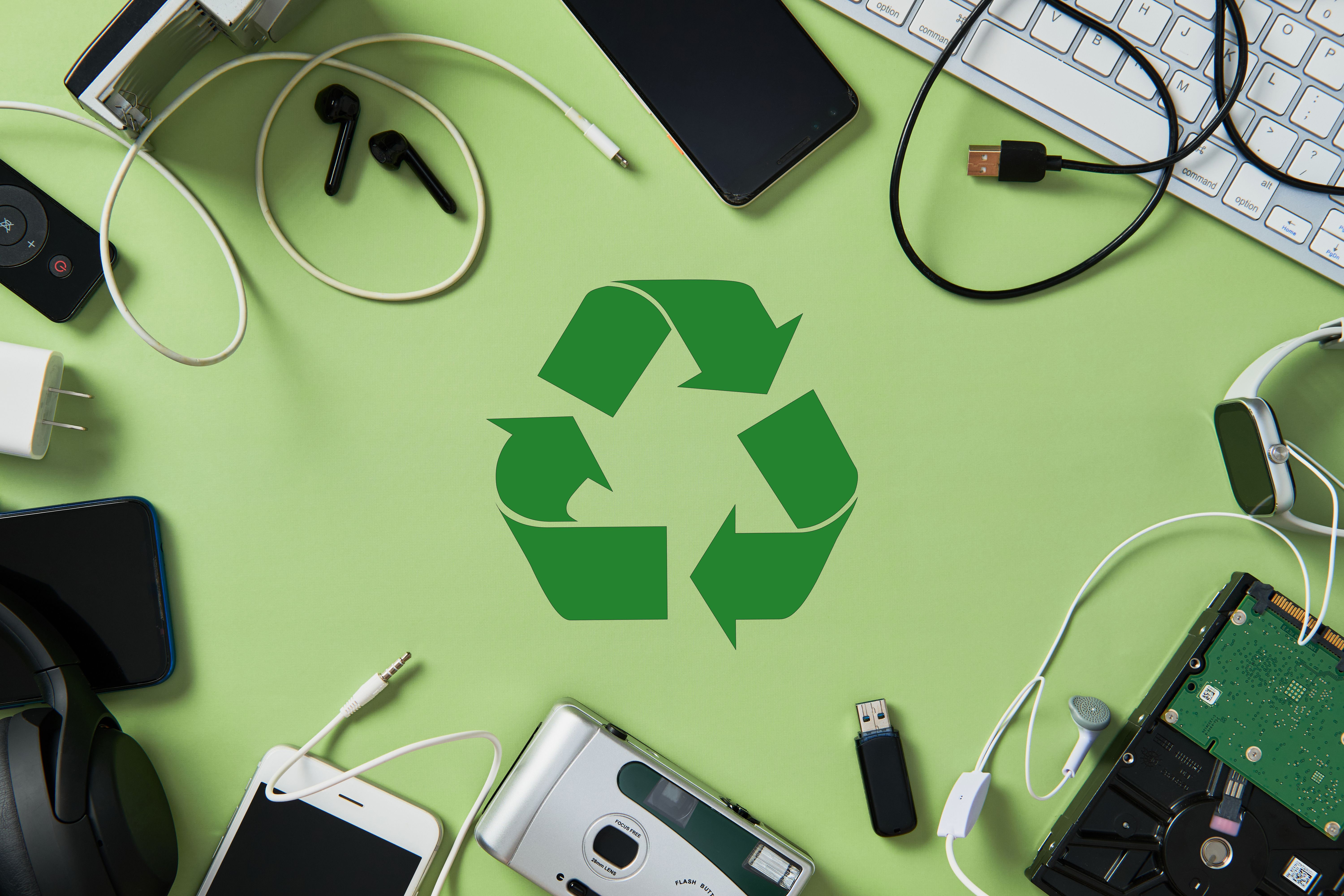
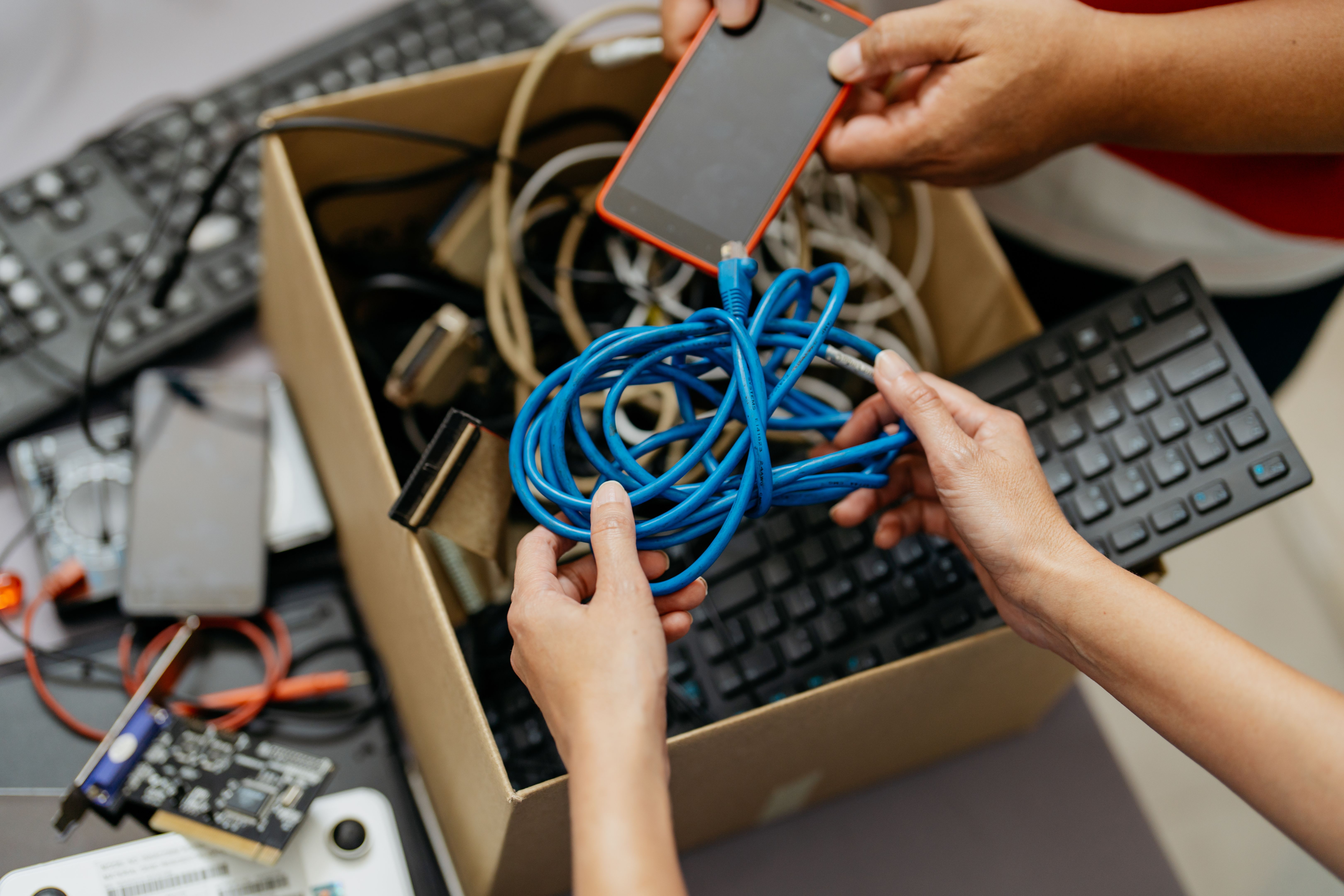
Secondly, this process helps in managing waste more effectively. Electronic waste, for example, contains significant amounts of precious metals like gold, silver, and platinum. Recycling these materials not only reduces landfill waste but also conserves natural resources.
Technological Innovations Driving Change
Technological advancements are at the heart of this transformation. New methods such as bio-leaching and hydrometallurgy have made it possible to extract metals more efficiently and with less environmental impact. These technologies allow for the recovery of metals from lower-grade ores and waste products that were previously considered unusable.
Furthermore, the integration of machine learning and automation has enhanced precision in the recovery process. By employing smart systems, companies can optimize extraction techniques and improve yield rates.
Economic Benefits
The economic implications of precious metal recovery are significant. The process creates new revenue streams and job opportunities. By establishing recovery facilities, the Philippines not only boosts its economy but also positions itself as a leader in the global recycling industry.
Moreover, the recovered metals can be used in various industries, including electronics, jewelry, and automotive, providing raw materials at a lower cost compared to traditional mining.
Challenges and Future Prospects
Despite the benefits, several challenges remain. The initial investment in technology and infrastructure can be substantial. Additionally, there is a need for skilled labor to operate and maintain advanced recovery systems.
However, the future prospects are promising. Continued research and development are expected to enhance the efficiency and cost-effectiveness of precious metal recovery. As awareness and demand grow, the Philippines is well-positioned to expand its capabilities in this sector.

In conclusion, the Philippines' approach to precious metal recovery from waste represents a forward-thinking strategy that combines environmental stewardship with economic opportunity. By investing in innovative technologies and practices, the country is not only addressing current waste management challenges but also paving the way for a more sustainable future.