
Recovering Precious Metals from Waste: Opportunities and Innovations in the Philippines


Introduction
The Philippines, known for its rich natural resources, is turning its focus on an innovative frontier: recovering precious metals from waste. This burgeoning field is not only an opportunity to boost the economy but also a significant step toward sustainable development.
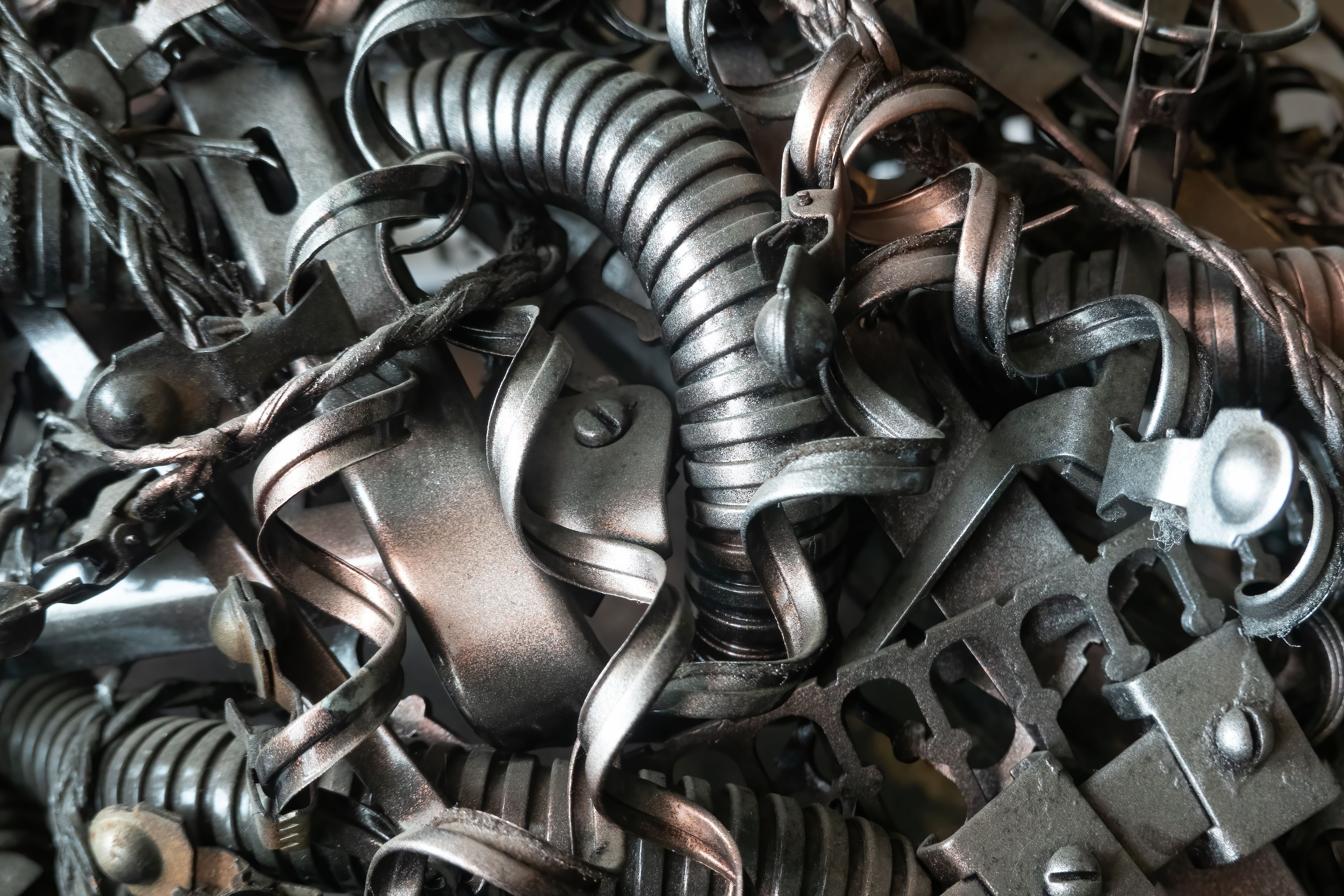
The Growing Importance of Waste Recovery
The global demand for precious metals is on the rise, driven by technological advancements and industry needs. In the Philippines, tapping into waste recovery offers a unique approach to meeting this demand while reducing environmental impact.
Recovering metals from electronic waste, industrial by-products, and even household items can significantly decrease the need for conventional mining, which is often harmful to the environment.
Current Innovations in the Philippines
The nation is embracing cutting-edge technologies to enhance the efficiency of metal recovery. Techniques such as hydrometallurgy and bioleaching are being explored to extract metals like gold, silver, and palladium from waste streams.

Local startups and research institutions are at the forefront, developing processes that are not only effective but also environmentally friendly. These efforts are paving the way for sustainable mining practices.
Economic Opportunities
The economic potential of waste recovery is vast. By investing in this sector, the Philippines can create new job opportunities and stimulate local economies. Moreover, reducing reliance on traditional mining methods can lower costs and increase profitability.
- Job creation in technology and waste management sectors
- Reduced environmental cleanup costs
- Potential for export of recovered metals
Environmental Benefits
Recovering metals from waste is a key component of the circular economy. This approach minimizes waste, conserves resources, and reduces greenhouse gas emissions. For the Philippines, it represents a critical step toward achieving environmental sustainability goals.
By reducing landfill waste and promoting recycling, the country can significantly decrease its carbon footprint and protect its natural landscapes.
Challenges and Future Directions
Despite the promising opportunities, the industry faces challenges such as the need for advanced technology, regulatory support, and public awareness. Addressing these issues is crucial for the sector's growth and success.

Collaboration between government, private sector, and academia will be essential to overcome these hurdles. Continued investment in research and development will also play a vital role in advancing waste recovery techniques.
Conclusion
Recovering precious metals from waste in the Philippines presents an exciting frontier for economic development and environmental conservation. By embracing innovation and collaboration, the nation can lead the way in sustainable practices and demonstrate a commitment to a greener future.