
Seasonal Guide: Preparing for Waste Management in the Rainy Season


As the rainy season approaches, effective waste management becomes increasingly important. The increase in precipitation can exacerbate waste-related issues, such as runoff and flooding, leading to environmental and health concerns. Proper preparation and practices can mitigate these challenges and ensure a cleaner, safer environment.
Understanding the Impact of Rain on Waste
During the rainy season, water can carry waste materials to unintended areas, causing pollution and blockages. Rainwater runoff can sweep litter and pollutants into waterways, impacting aquatic ecosystems and potentially contaminating drinking water sources. Understanding these impacts is essential in developing strategies to manage waste effectively during this time.
Additionally, flooding can lead to overflowing waste bins and scattered debris, creating unsightly and unsanitary conditions. Addressing these issues requires a proactive approach to waste management.
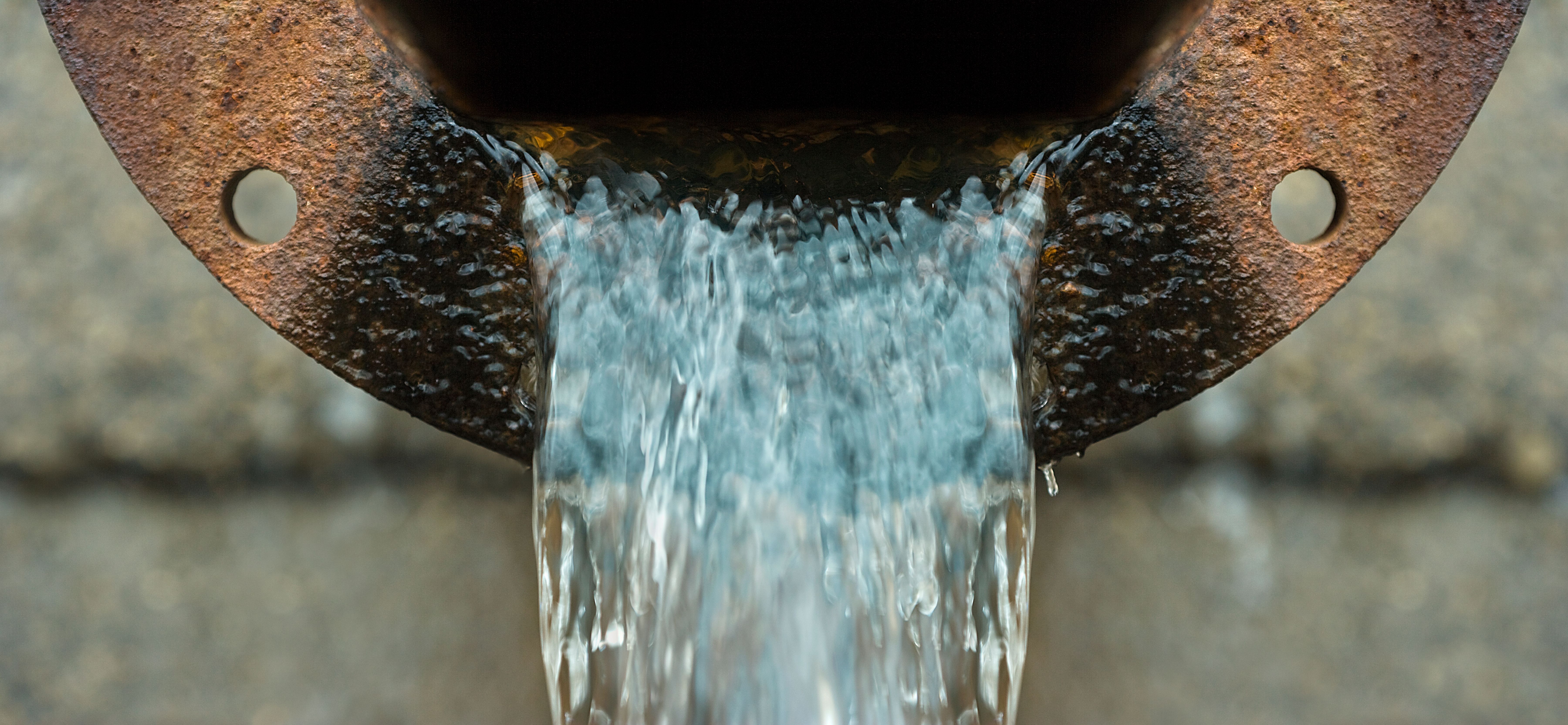
Strategies for Effective Waste Management
Secure Waste Bins
One of the simplest and most effective strategies is to ensure waste bins are secure. This means using lids that fit tightly and placing bins in sheltered areas to prevent overflow during heavy rains. By securing waste bins, you can reduce the risk of litter being carried away by runoff.
Regular Collection and Disposal
Increasing the frequency of waste collection can also be beneficial during the rainy season. Regular collection helps prevent the accumulation of waste that can lead to overflow and contamination. Coordinate with local waste management services to adjust collection schedules as needed.

Community Involvement and Education
Raising Awareness
Community involvement is crucial in managing waste effectively during the rainy season. Educating residents about the importance of proper waste disposal and the impacts of rain on waste can lead to more responsible behavior. Consider organizing local workshops or distributing informational materials.
Community Clean-Up Initiatives
Organizing community clean-up events can help keep neighborhoods clean and reduce the amount of waste that might otherwise be carried away by rainwater. Encourage community members to participate in these initiatives to foster a sense of shared responsibility.

Utilizing Technology for Better Management
Technology can play a significant role in improving waste management during the rainy season. Implementing smart bins equipped with sensors can provide real-time data on waste levels, allowing for more efficient collection and disposal. These innovations can help prevent overflow and reduce the environmental impact of waste.
Additionally, mobile apps can be used to educate and inform the public about proper waste disposal practices and schedules. By leveraging technology, communities can enhance their waste management efforts and minimize the challenges posed by the rainy season.
Conclusion
Preparing for waste management during the rainy season requires a combination of strategic planning, community involvement, and technological innovation. By understanding the challenges and implementing effective solutions, communities can mitigate the negative impacts of rain on waste management, ensuring a cleaner and healthier environment for all.