
Seasonal Waste Management: Preparing for Environmental Challenges in Central Luzon


Understanding Seasonal Waste Management
Seasonal waste management is crucial, especially in regions like Central Luzon, where climate patterns significantly influence waste production and disposal. The changing seasons bring unique waste management challenges that need to be addressed proactively.

In Central Luzon, the wet and dry seasons dictate the types and amounts of waste generated. During the wet season, increased rainfall can lead to flooding, affecting waste collection and management systems. Conversely, the dry season can exacerbate waste-related issues, such as odors and pest infestations.
Key Challenges in Seasonal Waste Management
Flooding and Waste Overflow
One of the major challenges during the wet season is the risk of flooding, which can cause waste overflow. This not only creates unsanitary conditions but also poses health risks to the community.
Local governments and waste management authorities must prepare by ensuring that waste collection systems are robust and resilient. Implementing measures such as regular drainage cleaning and effective waste segregation can mitigate these risks.
Increased Organic Waste
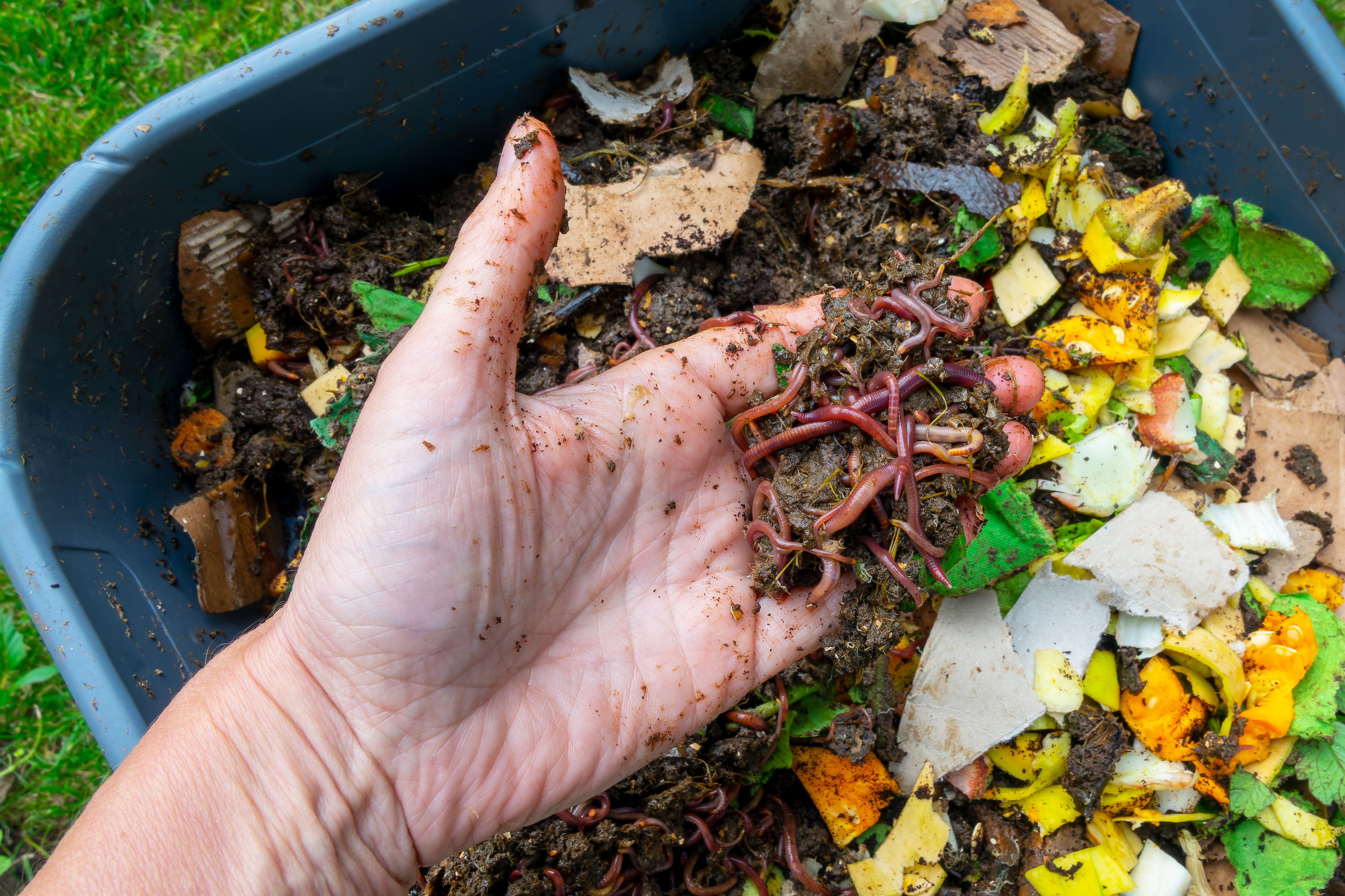
Seasonal changes often lead to increased organic waste, especially from agricultural activities. This organic waste can be both a challenge and an opportunity. Proper composting and recycling can turn this waste into valuable resources for soil enrichment.
Strategies for Effective Waste Management
Community Engagement and Education
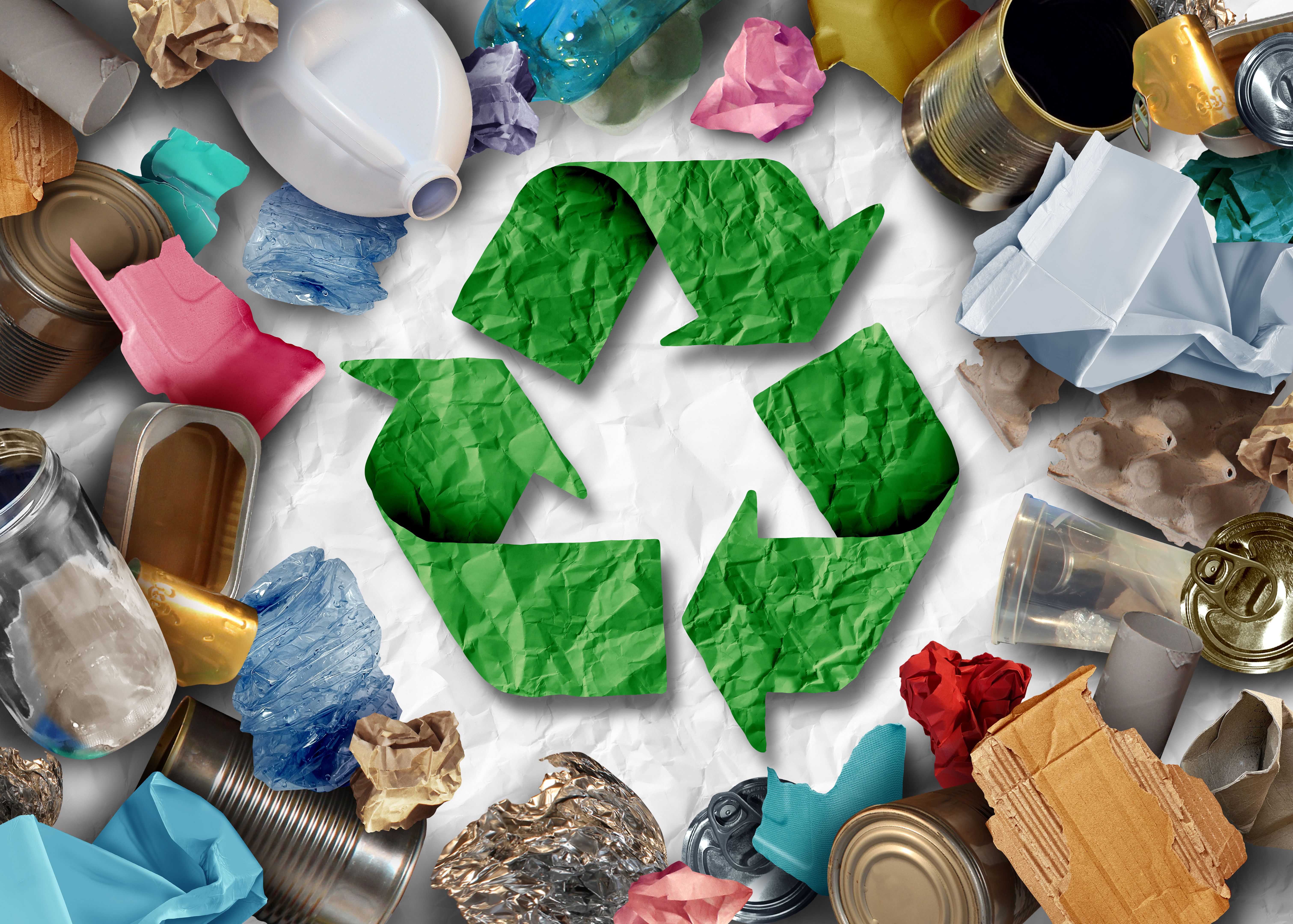
Community involvement is essential for effective waste management. Educating residents about proper waste disposal methods and the benefits of recycling can significantly reduce the burden on waste management systems.
- Conduct workshops and seminars on waste segregation.
- Promote community clean-up drives.
- Encourage the use of eco-friendly products.
Infrastructure Improvement
Investing in infrastructure is critical for handling seasonal waste efficiently. This includes expanding waste collection routes, improving waste processing facilities, and developing new technologies for waste reduction.
Government and Policy Support
Government policies play a vital role in shaping waste management practices. Local authorities should implement regulations that encourage sustainable waste management practices, such as incentives for recycling and penalties for illegal dumping.
Collaboration with environmental organizations can also help in formulating policies that address both local and regional waste management challenges effectively.
Looking Ahead
As Central Luzon continues to face the challenges of seasonal waste management, it is crucial for all stakeholders—residents, businesses, and government agencies—to work together. By adopting sustainable practices and enhancing waste management systems, the region can effectively tackle environmental challenges and promote a cleaner, healthier community.