The Complete Guide to Waste Transport and Disposal in the Philippines


Understanding Waste Transport and Disposal
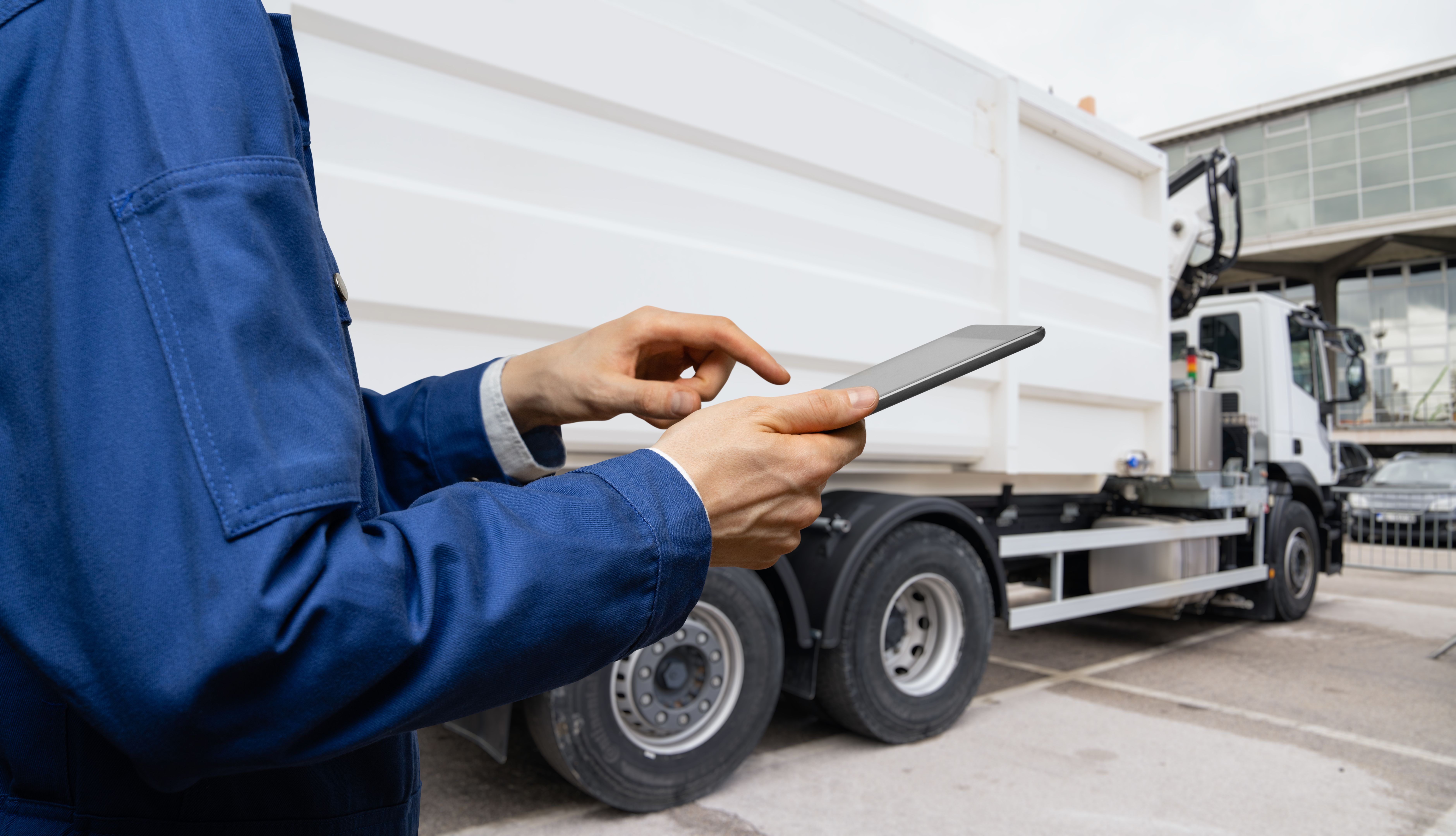
Waste transport and disposal are crucial components of environmental management in the Philippines. Efficient waste management helps reduce pollution, conserve resources, and improve public health. As the population grows, so does the volume of waste, making it essential to understand how waste transport and disposal systems work.
In the Philippines, waste management is governed by the Ecological Solid Waste Management Act of 2000, which emphasizes segregation at the source, recycling, and composting. This legislation aims to promote sustainable waste management practices across the country.
The Role of Local Government Units
Local government units (LGUs) play a pivotal role in waste management. They are responsible for implementing waste segregation, collection, and disposal within their jurisdictions. LGUs often collaborate with private companies to enhance waste transport services, ensuring that waste is efficiently collected and transported to designated facilities.
Challenges such as limited resources and inadequate infrastructure can hinder effective waste management. However, many LGUs are adopting innovative solutions like waste-to-energy technologies to address these issues.
Common Waste Disposal Methods
In the Philippines, several waste disposal methods are commonly used, including:
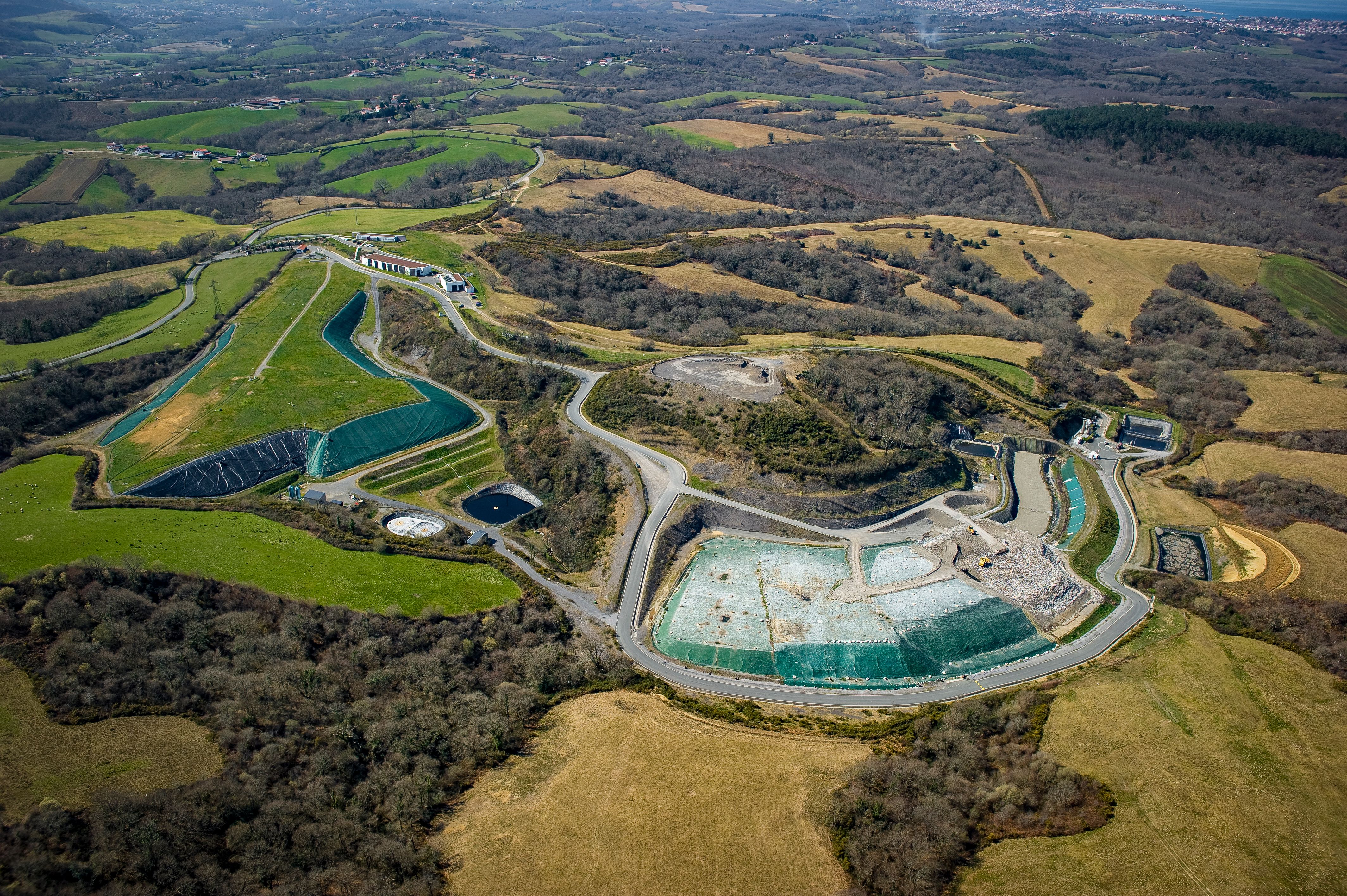
- Landfills: The most prevalent method, where waste is buried under the ground. Modern landfills are designed to minimize environmental impact.
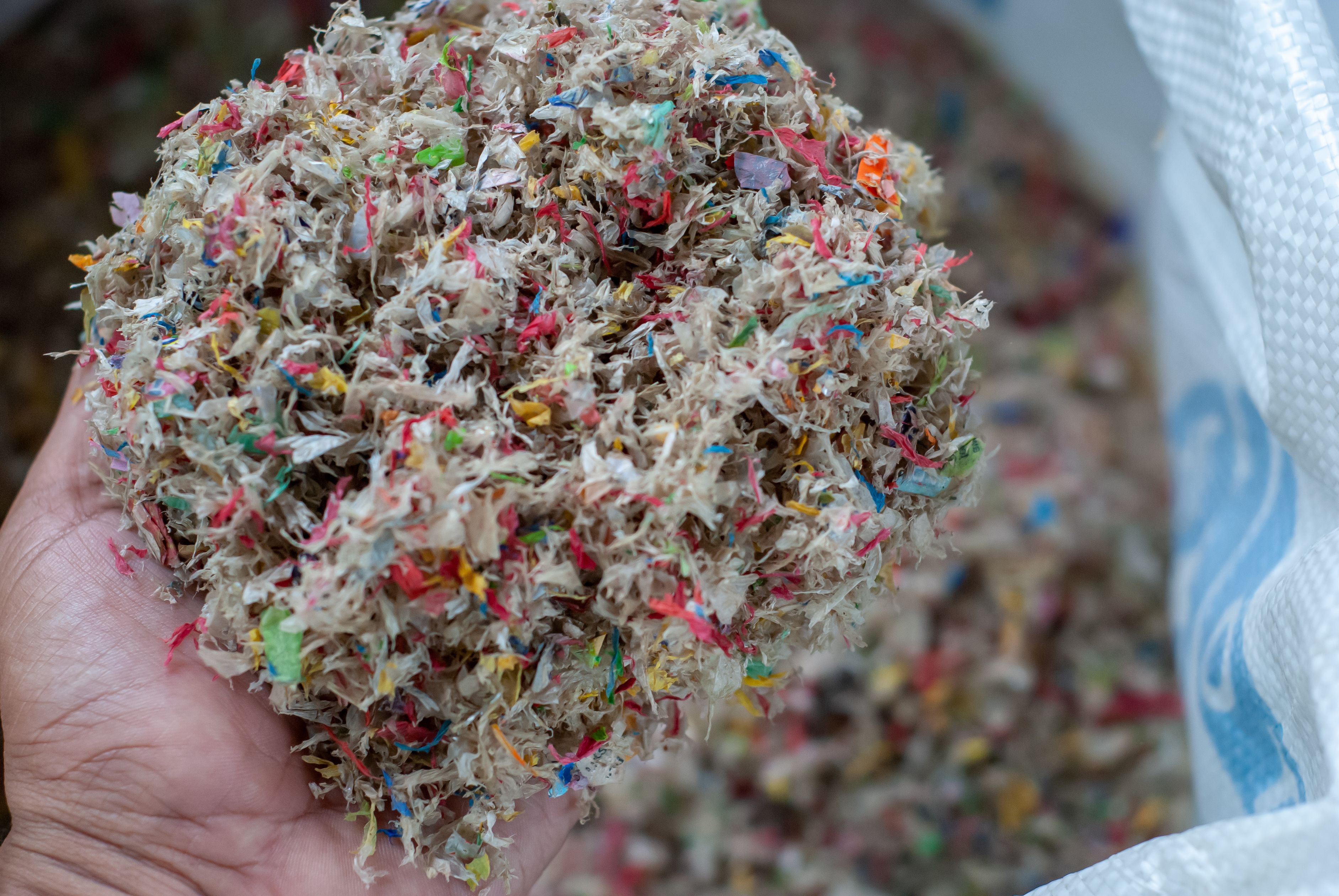
- Recycling: A key component of waste management that involves converting waste materials into new products to prevent resource wastage.
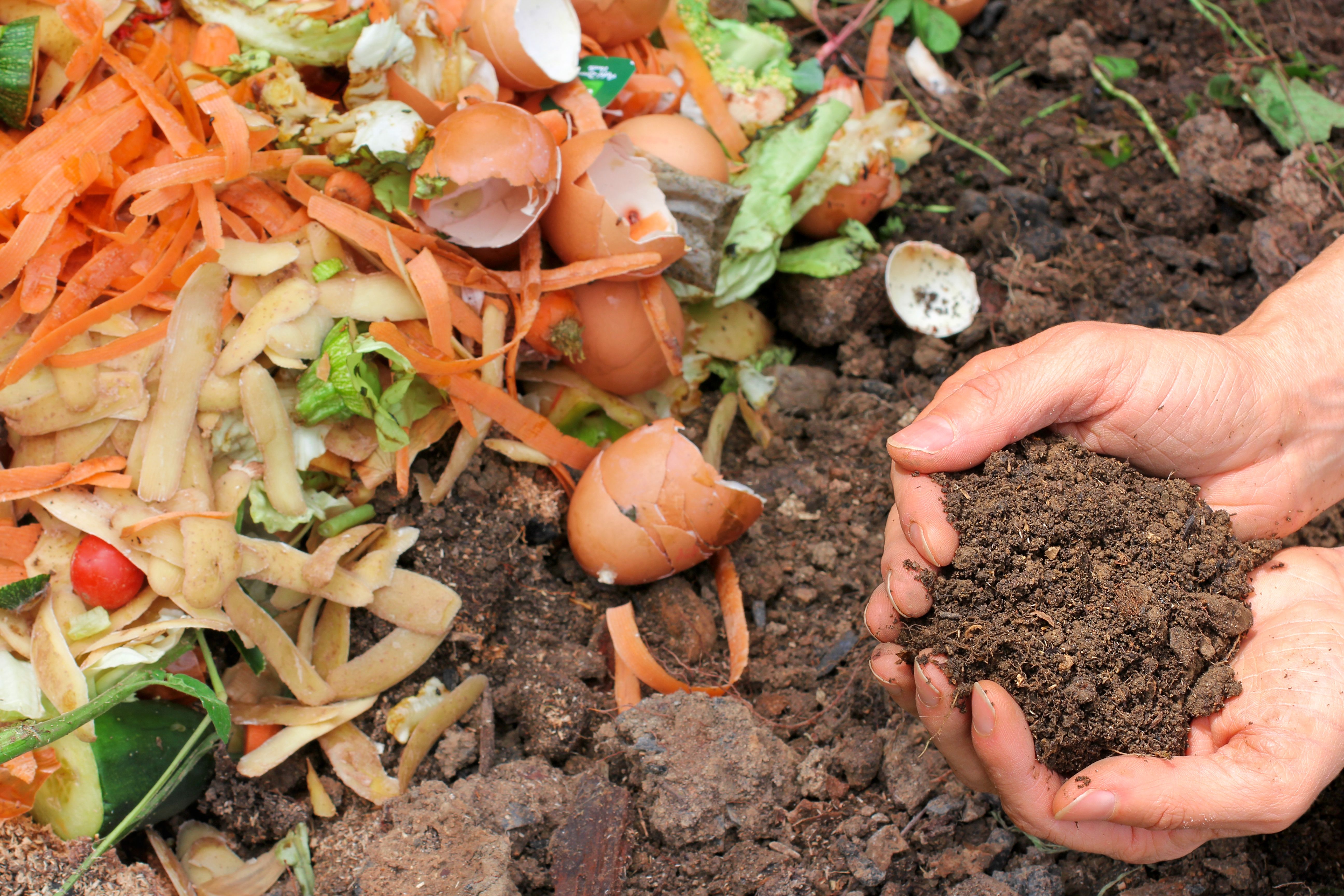
- Composting: The process of decomposing organic waste to produce nutrient-rich soil amendments.
Innovations in Waste Management
Innovations in waste management are crucial for addressing the growing waste problem. Technologies such as waste-to-energy plants and digital waste tracking systems are being explored to improve efficiency and sustainability. These innovations help transform waste into valuable resources, reducing the overall environmental footprint.
Moreover, community-based initiatives and public education campaigns are essential for promoting responsible waste disposal habits among citizens. Encouraging participation in recycling programs and proper waste segregation can lead to significant improvements in waste management.
Challenges and Future Directions
Despite progress, challenges remain in waste transport and disposal. Issues such as illegal dumping, lack of public awareness, and insufficient funding can hinder effective waste management. Addressing these challenges requires a collaborative effort from the government, private sector, and communities.
Looking ahead, the Philippines aims to enhance its waste management systems by investing in infrastructure, technology, and education. By doing so, the country can move towards a more sustainable and environmentally friendly future.