
The Environmental Impact of Hazardous Waste and How to Manage It Effectively


Hazardous waste poses significant threats to both the environment and human health. These wastes, often byproducts of industrial processes, contain toxic substances that can contaminate soil, water, and air if not managed properly. Understanding the environmental impact of hazardous waste and learning how to manage it effectively is essential for creating a sustainable future.
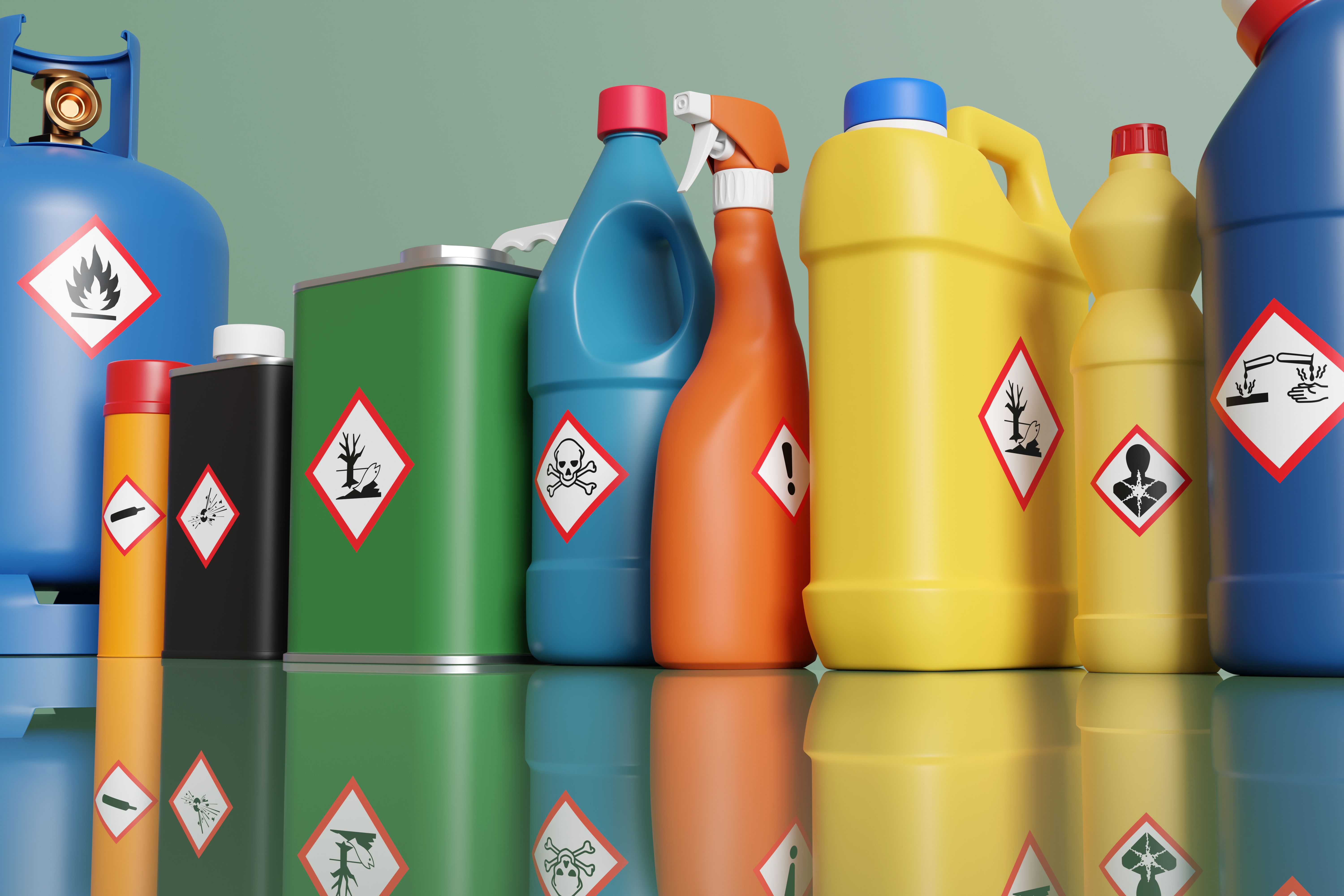
The Environmental Impact of Hazardous Waste
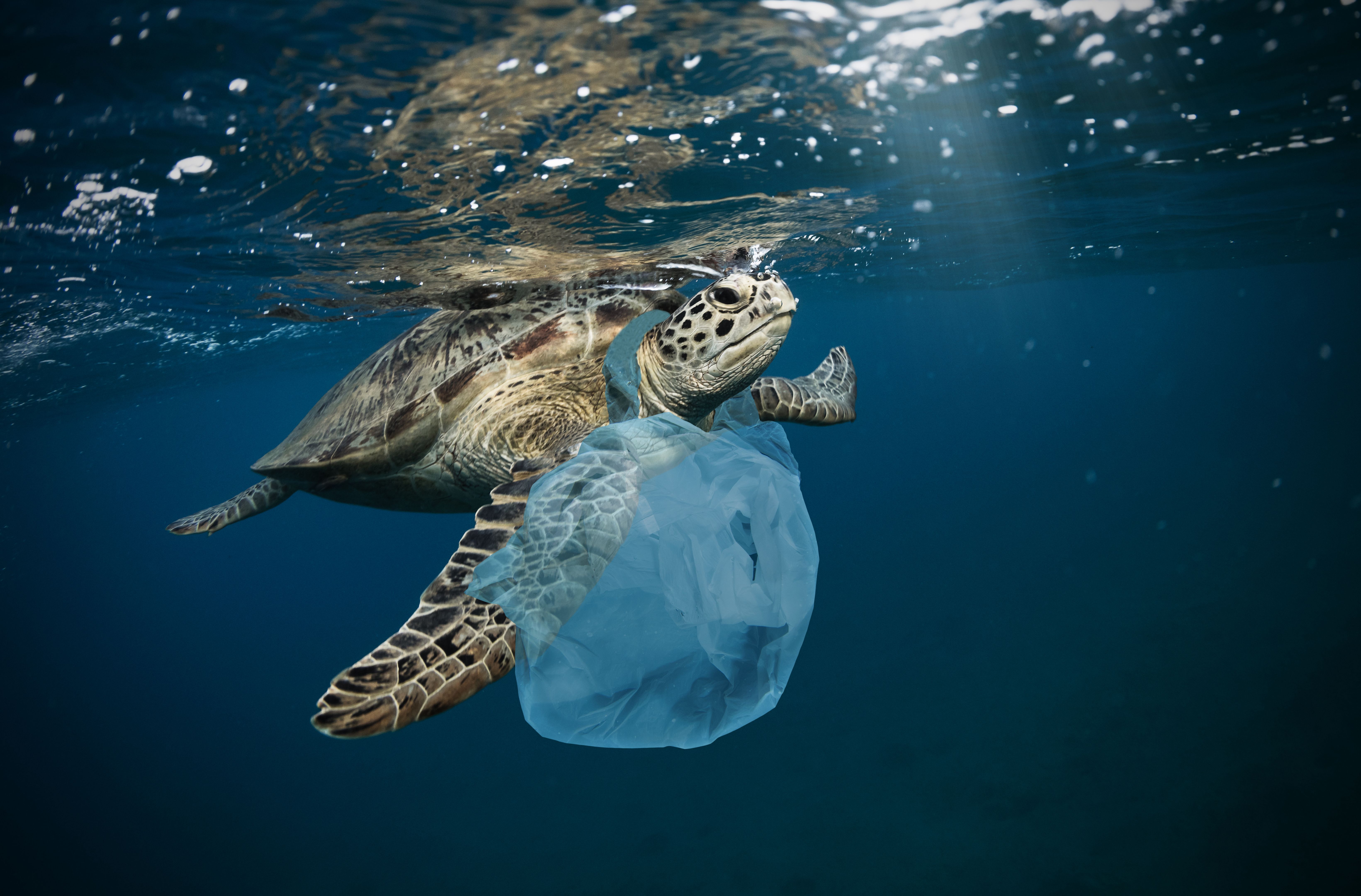
Hazardous waste can have devastating effects on ecosystems. When these materials are improperly disposed of, they can seep into the ground, contaminating soil and groundwater. This contamination can lead to the destruction of habitats and the loss of biodiversity. Aquatic life is particularly vulnerable as toxic substances can accumulate in water bodies, affecting the entire food chain.
In addition to ecological harm, hazardous waste contributes to air pollution. Incinerating these materials releases toxic fumes into the atmosphere, which can lead to respiratory problems and other health issues for humans and wildlife alike. Moreover, some hazardous waste contains substances that deplete the ozone layer, exacerbating climate change.
Health Risks Associated with Hazardous Waste
Exposure to hazardous waste poses serious health risks. People living near waste disposal sites may experience higher rates of cancer, respiratory diseases, and other health problems due to prolonged exposure to toxic substances. Children and pregnant women are particularly vulnerable, as these chemicals can affect development and cause congenital disabilities.
Furthermore, improper handling of hazardous waste can lead to accidents and spills, putting workers and nearby communities at risk. Therefore, it is crucial to adopt stringent safety measures and effective waste management practices to minimize these dangers.

Effective Management of Hazardous Waste
To mitigate the environmental and health impacts of hazardous waste, it is essential to manage it effectively. Here are some key strategies:
- Proper Identification and Classification: Identifying and classifying hazardous waste is the first step in managing it. This helps in determining the appropriate disposal or treatment method.
- Safe Storage: Hazardous waste should be stored in secure containers to prevent leaks and spills. Proper labeling is also important to ensure safe handling.
- Treatment and Disposal: Various methods, such as incineration, chemical treatment, and landfilling, can be used to treat and dispose of hazardous waste. Each method has its pros and cons, and the choice depends on the type of waste and environmental regulations.
Furthermore, recycling and recovery of materials from hazardous waste can reduce the volume of waste that needs disposal. This not only conserves resources but also minimizes environmental impact.

Government Regulations and Policies
Government regulations play a crucial role in managing hazardous waste. Strict enforcement of laws and guidelines ensures that industries comply with safe disposal practices. In many countries, regulations require companies to develop waste management plans and report their waste generation and disposal practices.
Additionally, international agreements, such as the Basel Convention, aim to control the transboundary movement of hazardous waste and promote environmentally sound management practices worldwide.

Community Involvement and Education
Community involvement and education are vital components of effective hazardous waste management. Public awareness campaigns can inform residents about the dangers of hazardous waste and encourage them to participate in safe disposal practices.
Moreover, community programs that promote recycling and waste reduction can significantly impact reducing hazardous waste generation. By working together, individuals, industries, and governments can create a safer and healthier environment for all.